Addressing Risks in the Age of Cryptocurrencies and Digital Assets
18 October 2025
Welcome to the digital gold rush — a wild frontier where money is just code, digital wallets are your new treasure chests, and blockchain is the ever-watchful sheriff. Cryptocurrencies and other digital assets are revolutionizing finance, pulling the rug out from under traditional systems and flipping the script on how we store, spend, and invest money.
Sounds exciting, right? Well, slow down, cowboy.
Because with great innovation comes a whole heap of unknowns. And lurking behind the glittering promise of decentralized freedom are some pretty gnarly risks — the kind that could make or break your financial future.
So buckle up. We're going to peel back the layers and address the real, raw, and often overlooked risks of digital assets. Not to scare you — but to prepare you.
The Rise of Digital Assets: A Brave New World
Let’s start with the basics: what exactly are “digital assets”?Digital assets are anything of value that exists in a digital form. Cryptocurrencies (like Bitcoin or Ethereum) are the most well-known, but the umbrella is wide. Think NFTs, stablecoins, tokenized real estate, DeFi (decentralized finance) protocols — even virtual land in the metaverse.
In theory, it's borderless, permissionless, and revolutionary.
But here’s the thing: it’s also unregulated, unpredictable, and, honestly, a little chaotic. That’s the double-edged sword — freedom vs. protection.
Which brings us to the big question…
What's at Stake? The Real Risks Behind Digital Assets
Let’s not sugarcoat it. The crypto landscape isn’t all Lambos and moonshots. Let’s dig into the major risks you’re facing today.1. Cybersecurity Threats – Hackers Never Sleep
You wouldn’t keep your life savings under your mattress in the physical world, right?But in the digital realm, people are often doing the equivalent every day. Crypto wallets, especially hot wallets (online), are juicy targets for cybercriminals. From phishing attacks to ransomware, vulnerabilities are everywhere.
And once it’s gone? Say goodbye. There’s no "forgot password" or customer support hotline in most cases.
✅ Pro-tip: Use cold wallets (offline), enable 2FA, and never share your private keys — ever.
2. Volatility – Buckle Up, It’s a Rollercoaster
You might gain 30% one day and lose 70% the next. Sounds thrilling… until you realize your rent’s due and your assets just tanked.Cryptocurrencies are insanely volatile. Traditional assets like stocks or bonds? They’re slow dances. Crypto? It’s a mosh pit.
That level of uncertainty makes it risky for long-term planning or anyone with a weak stomach.
So unless you’re prepared for turbulence, maybe keep your seatbelt fastened and your exposure limited.
3. Regulatory Uncertainty – The Wild, Wild West
Governments around the world are still trying to figure out how to handle crypto. Are they securities? Commodities? A brand-new breed?One minute, a country’s embracing Bitcoin as legal tender. The next, another bans it outright.
And if you think regulation doesn't matter — think again. A single government crackdown can send prices tumbling or make your favorite exchange disappear overnight.
The lesson? Stay agile. And always watch the horizon for regulatory storms.
4. Scams and Rug Pulls – Everyone Wants a Piece of You
It's like the digital version of the gold rush — for every legitimate miner, there are ten snake oil salesmen.There are countless stories of people getting duped by flashy new coins, only for the creators to vanish once the money floods in. These are called "rug pulls," and they’re painfully common.
Then there are Ponzi schemes, fake ICOs (Initial Coin Offerings), and impostor wallets.
If it's too good to be true? It probably is.
✅ Rule of thumb: Do more research than you think you need. Verify, then trust.
5. Loss of Access – One Forgotten Password Away
Here’s a nightmare for you: sitting on a digital fortune, but you’ve forgotten your wallet password. Or lost your seed phrase. Game over.There's no customer service line, no ‘forgot password’ button, no tech support. Without that key, your assets are gone. Forever.
Just ask the guy who lost access to $200 million worth of Bitcoin.
👉 Moral of the story: Back things up. Then back them up again.
6. Market Manipulation – Whales and Puppeteers
Think crypto markets are fair and balanced? Think again.In traditional finance, manipulation is illegal (in theory). But in crypto land? It’s harder to track and easier to pull off. Large holders (aka "whales") can send prices soaring or diving with a single trade.
The lack of transparency and regulation makes it fertile ground for manipulation. You're not in Kansas anymore.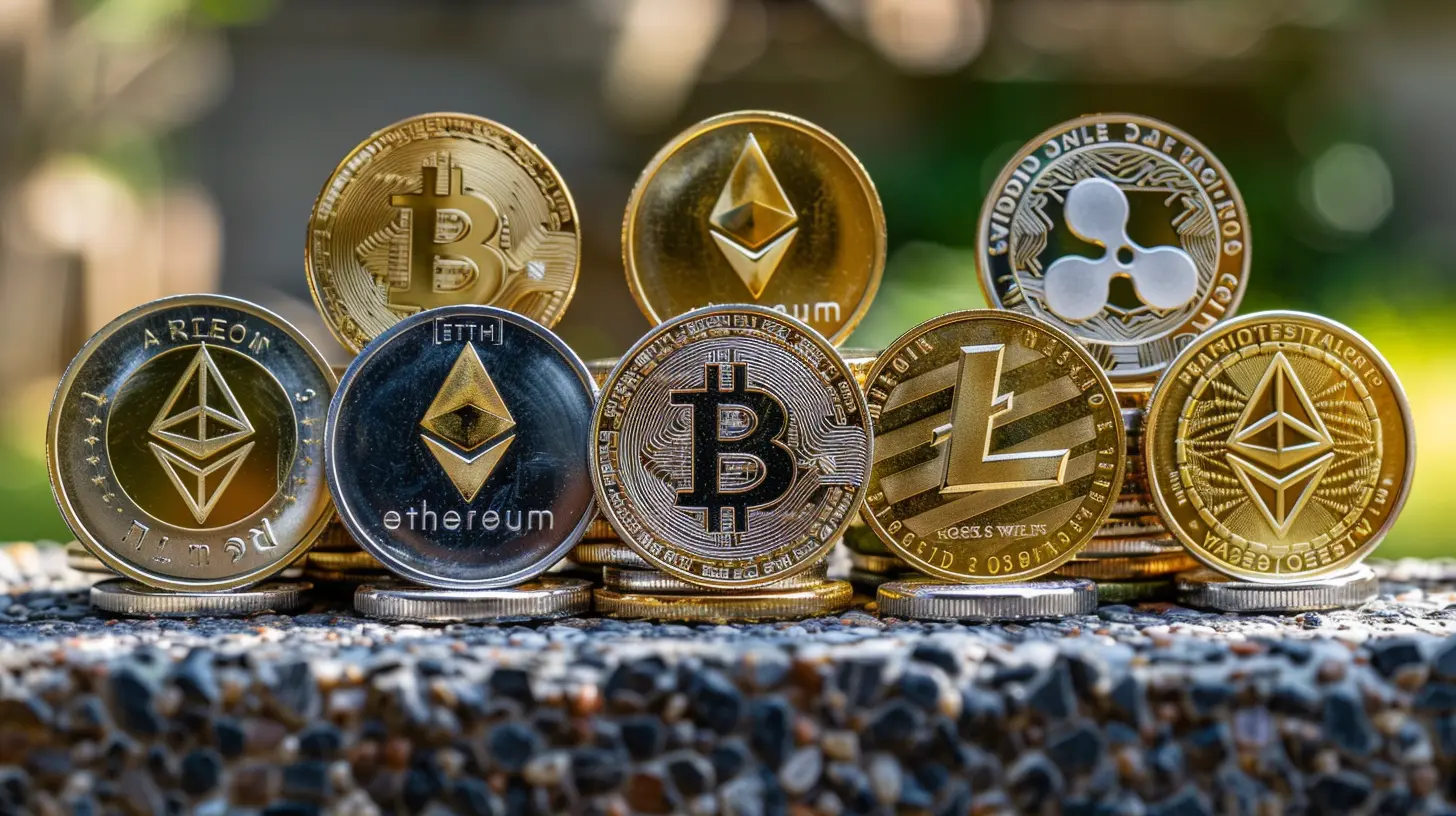
Hidden Dangers: Risks You Haven’t Even Considered
Some risks aren’t as obvious but just as dangerous. Here’s where things get really murky.7. Smart Contract Bugs – Code Is Law… Until It Breaks
DeFi apps, decentralized exchanges, and NFT marketplaces are all powered by smart contracts — lines of code that execute automatically.But guess what? Code can have bugs, and bugs can be exploited.
We’ve seen $600 million heists because of a single vulnerability. And there’s no undo button.
Unless you’re itching to gamble on unknown code, tread carefully.
8. Liquidity Risks – Locked In and Left Hanging
You might hold a token that looks great on paper. Then one day, nobody wants to trade it. Suddenly, you’re stuck with a digital paperweight.Illiquidity turns your asset into… well, not much. You can't sell it. You can't use it. You’re just holding the bag — literally.
9. Environmental Impact – Hidden Cost of the Blockchain
Ever heard someone say Bitcoin is bad for the environment?They’re not totally wrong.
Proof-of-Work blockchains (like Bitcoin) require massive amounts of energy. Think of it like a never-ending competition to solve a puzzle — and it's burning through electricity at unbelievable rates.
Some newer chains are more energy-efficient, but it’s still something to think about — especially as environmental regulations tighten in the years ahead.
So... Is Crypto Worth the Risk?
Now that we’ve scared you silly, let’s bring it back to balance.Yes, there are risks. Big ones. But there’s also opportunity. Innovation rarely comes without friction.
The secret is to approach crypto with eyes wide open. Be curious, but cautious. Optimistic, but informed. Think of it like fire — powerful, but also dangerous if mishandled.
Practical Ways to Manage and Minimize Risk
Alright, let’s shift gears from problems to solutions. What can you actually do to protect yourself?✅ Educate Yourself Constantly
This space moves crazy fast. What’s hot today might be irrelevant tomorrow.Join crypto communities, read whitepapers (or at least skim them!), follow reputable analysts, and never stop asking questions.
✅ Diversify Your Portfolio
Don’t go all-in on one token or project. Spread out your investments. Include some traditional assets if possible. Crypto is exciting, but you still need balance.✅ Only Invest What You Can Afford to Lose
Seriously. Don’t bet the house or your emergency fund on a meme coin that “could 100x.”Treat crypto like a high-risk, high-reward investment — not a financial lifeline.
✅ Use Reputable Platforms
Stick with exchanges and wallets that have a proven track record. Check security features, read reviews, and don’t be afraid to walk away from sketchy platforms.✅ Stay Updated on Regulations
This one's huge. Crypto laws are constantly evolving. One regulation change can dramatically affect your holdings.Set Google alerts, follow government updates, and keep your strategies flexible.
Final Thoughts: Tread Wisely in the Digital Gold Rush
We’re living through a financial revolution — and it’s messy, unpredictable, and yes, sometimes dangerous.But whether you’re a die-hard Bitcoin believer or just crypto-curious, one thing’s for sure: digital assets aren’t going anywhere. As adoption grows and tech evolves, the landscape will (hopefully) stabilize. But that day isn’t here yet.
So, for now? Be smart. Be skeptical. And treat your digital assets like you would a loaded gun — with knowledge, caution, and respect.
Because in the age of cryptocurrencies and digital assets, the biggest risk isn’t volatility, regulation, or even hackers…
It’s walking into this new world unprepared.
all images in this post were generated using AI tools
Category:
Risk ManagementAuthor:

Julia Phillips
Discussion
rate this article
1 comments
Kinsley McGrath
Navigating the complexities of cryptocurrencies requires a robust risk management framework. As digital assets evolve, understanding their volatility, regulatory landscape, and potential cybersecurity threats is crucial for investors. Proactive strategies will safeguard portfolios and enhance resilience in this dynamic financial environment.
October 27, 2025 at 4:02 AM
Julia Phillips
Thank you for highlighting the importance of a solid risk management framework. As cryptocurrencies continue to evolve, staying informed and proactive is indeed essential for safeguarding investments.