Crowdfunding Beyond Startups: How Nonprofits Can Harness Its Power
22 June 2026
Crowdfunding. It’s a buzzword that’s taken the world by storm—especially in the startup world. But what if I told you that nonprofits can ride that same wave of momentum to fuel their causes? Yep, that's right. Crowdfunding isn’t just for tech gadgets or the next best app—it’s a goldmine of opportunity for nonprofits too.
In fact, with the rise of digital giving, social media influence, and the desire for people to be part of something meaningful, nonprofits are perfectly positioned to tap into the potential of crowdfunding. So, buckle up—we’re diving into how crowdfunding goes way beyond startups and how your nonprofit can wield its power like a pro.
What is Crowdfunding, Really?
Let’s not assume everyone’s on the same page. Crowdfunding is basically gathering small amounts of money from a large number of people—usually via the internet. Think GoFundMe, Kickstarter, or Indiegogo. While startups often use it to launch new products or services, the basic concept is universal: connect with people, share a compelling story, and ask them to pledge support.For nonprofits, this turns into a digital fundraising campaign where individuals donate (usually without expecting any financial return) to support a cause they care about deeply. It’s modern-day philanthropy made simple and accessible.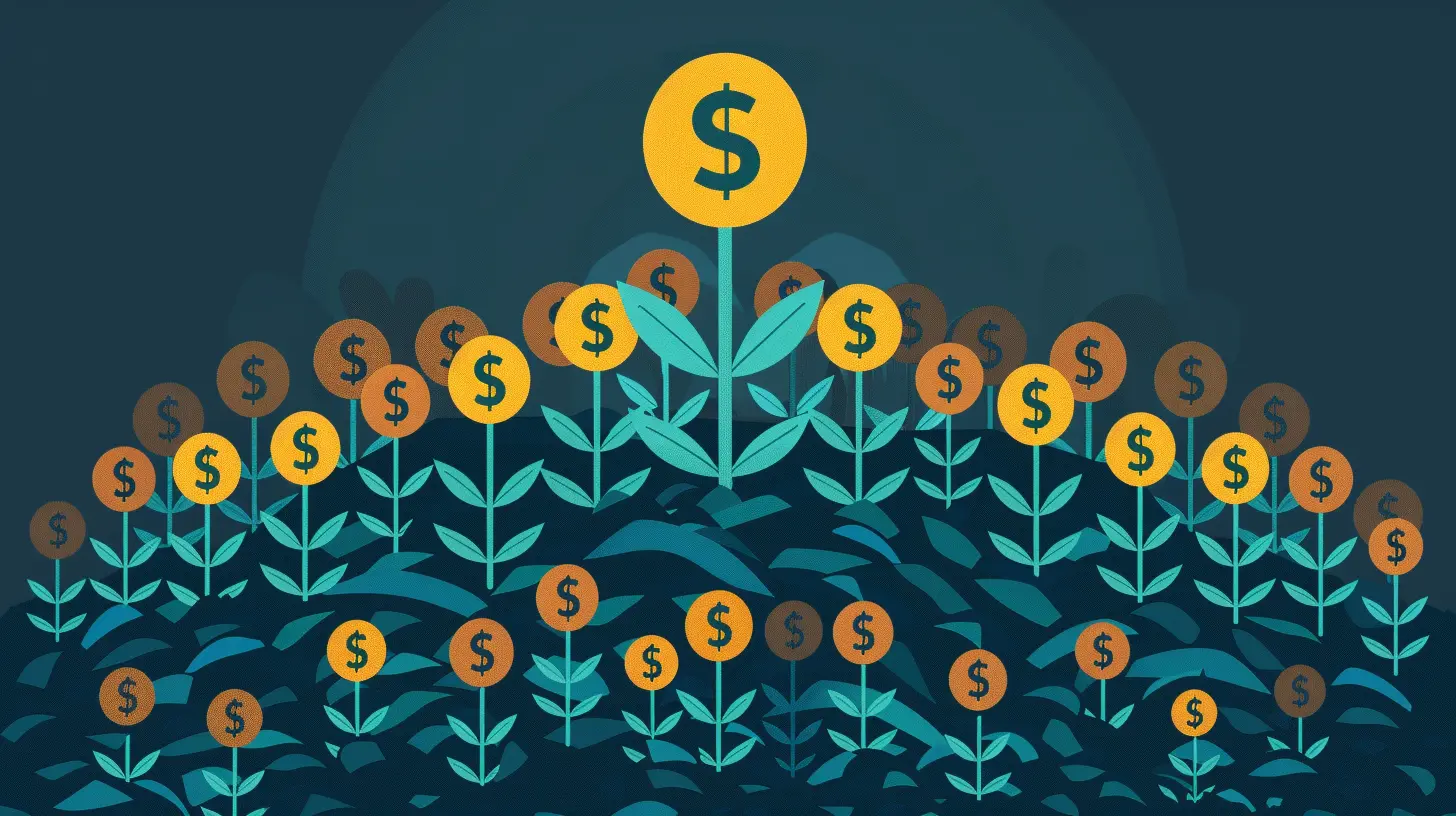
Why Crowdfunding Works So Well for Nonprofits
Nonprofits and crowdfunding? It’s kind of a match made in heaven. Here’s why:1. People Love a Good Story
Humans are wired for storytelling. When you create a moving narrative around your cause—maybe you’re building homes for low-income families or rescuing animals—you give donors something to believe in. A great crowdfunding campaign is less about “please donate” and more about “here's how you can make a difference.”2. The Power of the Crowd Is Real
Imagine 1,000 people donating just $10 each. That’s $10,000 right there. You don’t need deep-pocketed philanthropists, just a community of folks who care. Crowdfunding democratizes giving.3. It’s Social Media Friendly
Crowdfunding campaigns are designed to be shared. Your supporters become your promoters—posting, tweeting, and tagging friends. It’s like a digital chain reaction, and when done right, it spreads fast.4. It Creates a Sense of Urgency
Most crowdfunding campaigns come with a deadline. That ticking clock adds a sense of urgency and FOMO (fear of missing out). Donors don’t want to be the ones who didn’t help push the campaign over the finish line.
Types of Crowdfunding Nonprofits Can Explore
Let’s break down the crowdfunding models that actually make sense for nonprofits:1. Donation-Based Crowdfunding
This is the bread and butter for most nonprofits. Supporters donate money without expecting anything in return—except maybe a thank you and warm fuzzy feelings. Platforms like GoFundMe and Classy work well here.2. Reward-Based Crowdfunding
Works best for nonprofits that can offer something tangible. Maybe your organization sells handmade crafts from local artisans or offers downloadable ebooks. It's fundraising with a little thank-you gift attached.3. Recurring Crowdfunding (Membership Models)
Think Patreon, but for good causes. Supporters pledge a fixed amount monthly in exchange for special updates, behind-the-scenes looks, or small perks. It's like Netflix meets nonprofit fundraising.4. Matching Crowdfunding
Some platforms allow corporate partners or major donors to match contributions. This doubles the impact and encourages more people to chip in. Because who doesn't love a 2-for-1 deal?
Steps to Creating a Successful Crowdfunding Campaign
It’s not just about slapping up a fundraising page and praying for the best. Want results? You need a strategy. Let’s break it down.Step 1: Set Clear, Achievable Goals
Start with a specific financial goal. But don’t just say “we need money.” Say “we need $5,000 to feed 200 families this winter.” Be transparent and detailed. People love knowing exactly what their money is doing.Step 2: Choose the Right Platform
All crowdfunding platforms aren’t created equal. Some are more nonprofit-friendly than others.Here are a few to look into:
- GoFundMe Charity
- Classy
- Fundly
- Mightycause
- GlobalGiving
Each platform has its perks and fees, so compare carefully before choosing.
Step 3: Tell a Compelling Story
This is your golden ticket. Use powerful images, personal anecdotes, and emotional hooks. A compelling story turns casual visitors into passionate supporters.For example, instead of saying “Help us fight hunger,” try:
“Meet Sarah, a single mother of two who relied on food pantries during the pandemic. With your help, we can make sure no parent has to choose between rent and feeding their kids.”
Step 4: Create an Attention-Grabbing Video
Videos are like eye candy for your campaign. They’re engaging, emotional, and shareable. Keep them under 2 minutes and make sure they tug at the heartstrings.Step 5: Rally Your Inner Circle First
Before going public, get your staff, board members, and top supporters to donate early. This creates momentum and makes strangers more likely to join in. Nobody wants to be the first dollar in a $10,000 campaign.Step 6: Put Social Media to Work
Facebook, Instagram, Twitter, LinkedIn—bring them all to the party. Use emotion-driven posts, hashtags, and live videos to build buzz. Ask your followers to like, comment, share, and tag friends.Pro Tip: Use a branded hashtag to tie everything together.
Step 7: Keep the Buzz Going
Don’t launch and ghost. Post regular updates. Show progress, share success stories, and thank your donors publicly. Campaigns with regular updates tend to raise 126% more funds than those without!Step 8: Create a Sense of Community
Make your donors feel like they’re part of something bigger. Give them shout-outs, create a donor wall, or spotlight their stories. When people feel valued, they’re more likely to give again—and bring friends.Real-Life Example: How One Nonprofit Raised $100k in 30 Days
Let’s pull back the curtain with a quick case study.The Cause: A grassroots nonprofit focused on mental health awareness
The Goal: $100,000 to fund a 24/7 helpline
The Strategy: Emotionally-driven storytelling, a kickoff video with a survivor’s story, and a matching gift challenge from a local business
The Result?
In just 30 days, over 2,000 individual donors chipped in. A mix of $10 and $25 donations, along with a few larger gifts, hit the $100k target—and then some. The campaign went viral, with local news coverage and shares across platforms.
What made it work? The story. The transparency. And the community vibe.
Common Mistakes to Avoid in Nonprofit Crowdfunding
Let’s keep it real—not every campaign is a roaring success. Here’s how to avoid the potholes:❌ Going In Without a Plan
Winging it doesn’t cut it. You need timelines, marketing strategies, and backup plans.❌ Weak Visuals
A wall of text won’t inspire anyone. Use photos, infographics, and videos to bring your story to life.❌ Ignoring Your Donors
Thanking donors is not optional. Send personalized thank-you notes and show them the impact of their contribution.❌ Forgetting Mobile Users
More than half of donations come from phones. Make sure your campaign is mobile-friendly or risk losing half the audience.Final Thoughts: Crowdfunding is the Future (And the Present)
Crowdfunding isn’t just a trend—it’s a tool. A powerful one. And for nonprofits, it’s a gateway to more than just money. It builds community, shares your mission, and gives everyday people a chance to fuel meaningful change.So, whether you're a small nonprofit with a big dream or an established organization looking to reach a new audience, now’s the time to harness the power of crowdfunding. It’s more than fundraising—it’s movement-building.
Ready to launch your next campaign? Go for it. The crowd is waiting.
all images in this post were generated using AI tools
Category:
CrowdfundingAuthor:

Julia Phillips
Discussion
rate this article
1 comments
Margaret McClary
Inspiring ways for nonprofits to thrive!
June 22, 2026 at 10:23 AM
Julia Phillips
Thank you! I hope the article sparks new ideas for nonprofits looking to elevate their impact through crowdfunding.