How Blockchain is Shaping the Future of Crowdfunding
4 July 2026
Imagine you have an incredible idea for a product, but you don’t have the cash to bring it to life. You’ve got energy, passion, and maybe even a prototype, but no investors are biting. So, what do you do?
That’s where crowdfunding steps in—a democratic, open-for-all way of raising money from the public. And just when you thought crowdfunding couldn't evolve further, along comes blockchain technology to crank things up a notch.
So let’s break it down. How exactly is blockchain shaping the future of crowdfunding? What does it mean for everyday folks like you and me? And why should we care?
Grab a coffee and let’s dive into this.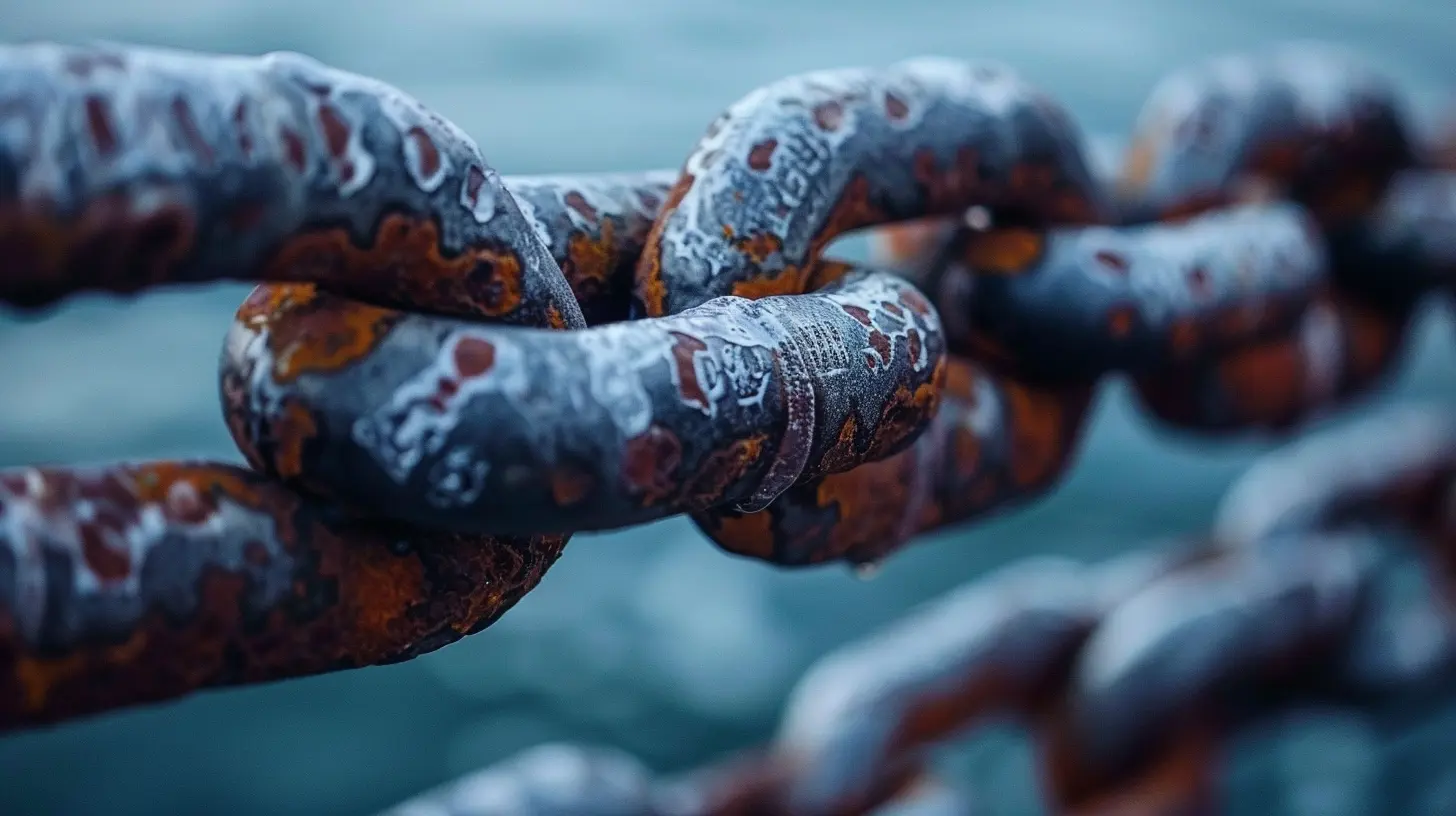
First, Let’s Talk Crowdfunding (The "Before" Picture)
Before we zoom into blockchain’s role, let’s take a step back. Traditional crowdfunding platforms like Kickstarter or Indiegogo have revolutionized how entrepreneurs raise capital. They allow people to pitch their ideas online and collect small contributions from a large number of supporters.Sounds awesome, right? Well... not always.
The Flaws in Traditional Crowdfunding:
- Middlemen Take a Cut: Platforms typically charge 5-10% of the funds raised. That’s a decent chunk!- Lack of Transparency: Backers often have no clue how funds are being used once the campaign ends.
- Delayed Payouts: Even if you hit your funding goal, getting the money isn’t immediate.
- Scams & Failed Projects: Some projects never make it off the ground, leaving backers with empty promises.
So yeah, crowdfunding is a cool concept, but it’s far from perfect.
Enter Blockchain: The Game-Changer
For most people, the word "blockchain" brings up images of Bitcoin, crypto bros, and maybe a sprinkle of confusion. But here’s the thing—blockchain is way more than just crypto.At its core, blockchain is a decentralized, transparent digital ledger. It lets people make transactions directly with one another, without needing a middleman to validate them.
Sounds like the antidote to the problems we just talked about, doesn’t it?
What Happens When Blockchain Meets Crowdfunding?
You're probably wondering—so what? How can blockchain actually make crowdfunding better?Let’s unpack the magic.
1. Decentralization = No More Middlemen
Say goodbye to platforms taking hefty commissions. Blockchain-based crowdfunding platforms operate without a central authority, meaning all transactions occur directly between the project creator and the backers.This can drastically reduce fees, allowing creators to keep more of what they raise. It’s like cutting out the waiter and heading straight to the kitchen.
2. Smart Contracts = Automatic & Trustworthy
One of the coolest features of blockchain is the use of smart contracts. These are self-executing agreements coded on the blockchain.Example? Let’s say a startup promises to use funds only when certain milestones are hit. A smart contract can be programmed to release funds in stages—as targets are met—without requiring anyone to press a button.
That’s trust baked into the system. No more waiting. No more wondering.
3. Transparency = Let Everyone See Everything
Every transaction on the blockchain is visible to everyone. This transparency reduces corruption and increases trust. Backers can see exactly how funds are used, track milestones, and verify the legitimacy of projects.It’s like putting your project finances on a giant digital billboard—now that’s accountability.
4. Global Participation = No Geographical Barriers
Traditional crowdfunding sites often have restrictions based on country, currency, or payment systems. Blockchain doesn’t care where you’re from. As long as you’ve got an internet connection and a digital wallet, you’re in.That means wider reach, more diversity, and potentially more backers for your idea.
The Rise of Initial Coin Offerings (ICOs) and Tokenization
Alright, time to talk tokens.ICOs became all the rage in the crypto world around 2017. Think of an ICO as the blockchain version of crowdfunding. A startup issues a new crypto token and sells it to early backers in exchange for support.
Benefits of ICOs:
- No Venture Capital Needed: Get funding without giving up equity.- Liquidity for Backers: Unlike traditional crowdfunding, tokens can often be traded on exchanges.
- Incentivized Community: Token holders become invested—literally and emotionally—in the success of the project.
But wait. It’s not all sunshine and rainbows.
The Downsides:
- Scams Galore: With little regulation, many ICOs turned out to be frauds.- Volatility: Token price can swing wildly, affecting investor confidence.
- Regulatory Uncertainty: Many governments are still figuring out how to handle ICOs.
So while ICOs showed blockchain’s potential, they also highlighted the need for better frameworks and oversight.
Security Token Offerings (STOs) and DAICOs: Next-Gen Crowdfunding?
Because of the messy issues with ICOs, new kids on the block have emerged—STOs and DAICOs.STOs (Security Token Offerings)
Security tokens are like digital shares in a company. They’re regulated and offer legal protection for investors. Think of them as ICOs with a seatbelt, airbag, and driving instructor.DAICOs (Decentralized Autonomous Initial Coin Offerings)
Proposed by Ethereum’s co-founder Vitalik Buterin, DAICOs combine the best parts of ICOs and traditional governance.In a DAICO, backers vote on how much of the raised funds the project team can access, and when. If the team fails to deliver, backers can vote to get their money back.
Now that’s power to the people.
Real-World Examples of Blockchain-Powered Crowdfunding
Let’s look at a few platforms walking the talk.1. KickICO
A blockchain-based alternative to Kickstarter. It uses smart contracts and its own KickCoin to facilitate campaign funding.2. FundYourselfNow (FYN)
Built on Ethereum, FYN allows entrepreneurs to raise funds without needing technical know-how. It offers milestone-based funding and backer voting to ensure accountability.3. WeTrust Spring
Focused on charitable and social projects, WeTrust Spring uses blockchain to ensure transparency in how donations are used.Challenges Still Ahead
Of course, it’s not all smooth sailing. Blockchain crowdfunding faces its own set of hurdles.1. Regulatory Grey Areas
Governments are still playing catch-up. With regulations constantly changing, blockchain crowdfunding operates in a state of flux.2. Technological Barriers
Not everyone knows how to use a digital wallet or understand smart contracts. Mass adoption won’t happen until platforms become more user-friendly.3. Scams & Scandals
Unfortunately, scammers always find a way. Without strict vetting or verification, some platforms still host fraudulent projects.The Road Ahead: A Hybrid Future?
So, what does the future look like?It’s likely that we’ll see a blend of traditional and blockchain-powered crowdfunding. Established platforms might integrate blockchain features like smart contracts and crypto payments. At the same time, new decentralized platforms will continue to rise and challenge the status quo.
We’re talking about a future where trust isn’t earned through reputation, but coded into the system itself.
And that’s revolutionary.
Final Thoughts
Blockchain is not just a buzzword—it’s a fundamental shift in how we think about trust, transparency, and ownership. For crowdfunding, it opens up a world where creators and backers interact directly, where accountability is automatic, and where the playing field is truly global.Sure, there are bumps along the way. But the direction is clear. Blockchain is democratizing access to capital in a way that could redefine entrepreneurship for generations to come.
So if you’ve got a killer idea and a dream, this decentralized future might just be your golden ticket.
all images in this post were generated using AI tools
Category:
CrowdfundingAuthor:

Julia Phillips
Discussion
rate this article
1 comments
Juliet Sheppard
Oh great, another tech trend promising to revolutionize crowdfunding. Because what we really needed was a way to make funding projects even more complicated... Thanks, blockchain, for your endless innovation.
July 6, 2026 at 4:34 AM
Julia Phillips
I get where you're coming from. Innovation can be a mixed bag, but blockchain does offer some unique benefits for transparency and security in crowdfunding. It's worth exploring the potential.