How Political Events Impact Stock Market Performance
7 March 2026
Politics and the stock market—two things that can cause heartburn faster than a double cheeseburger at midnight. If you’ve ever checked your portfolio after a major political event, you probably know the feeling: one day, your stocks are soaring, and the next, they’ve crashed harder than your Wi-Fi during a Zoom meeting. So, what’s the deal? Why does the stock market act like a caffeinated squirrel every time something big happens in politics?
Well, grab some popcorn because we’re about to break it down—without the boring financial jargon. 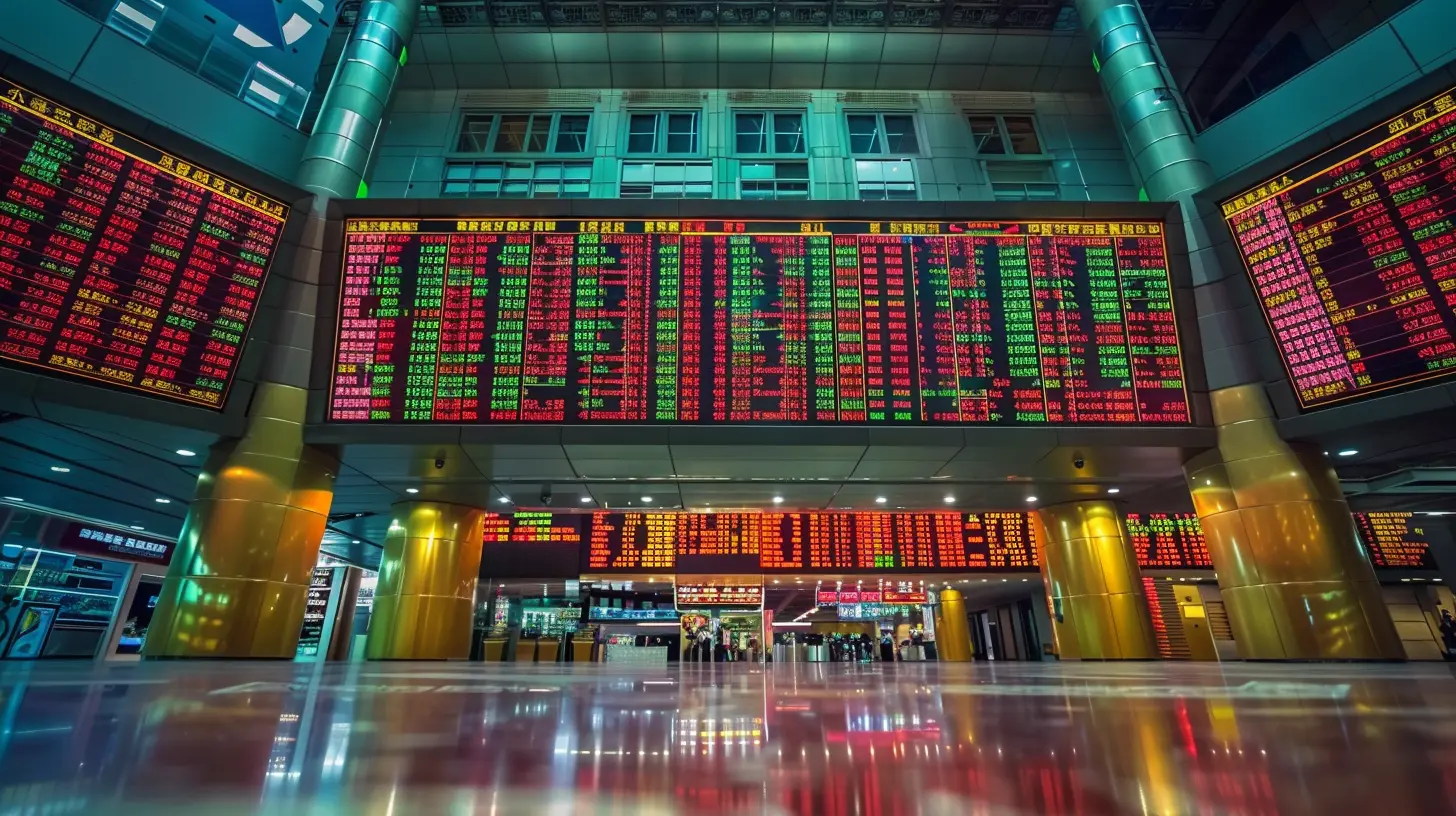
The Stock Market: A Drama Queen With Mood Swings
First things first: the stock market is emotional. Seriously. It reacts to political events the way we react to spoilers for our favorite TV shows—sometimes with excitement, sometimes with rage, and occasionally with a full-blown meltdown.But why? Because investors hate uncertainty. And guess what politics is full of? Yep, uncertainty. 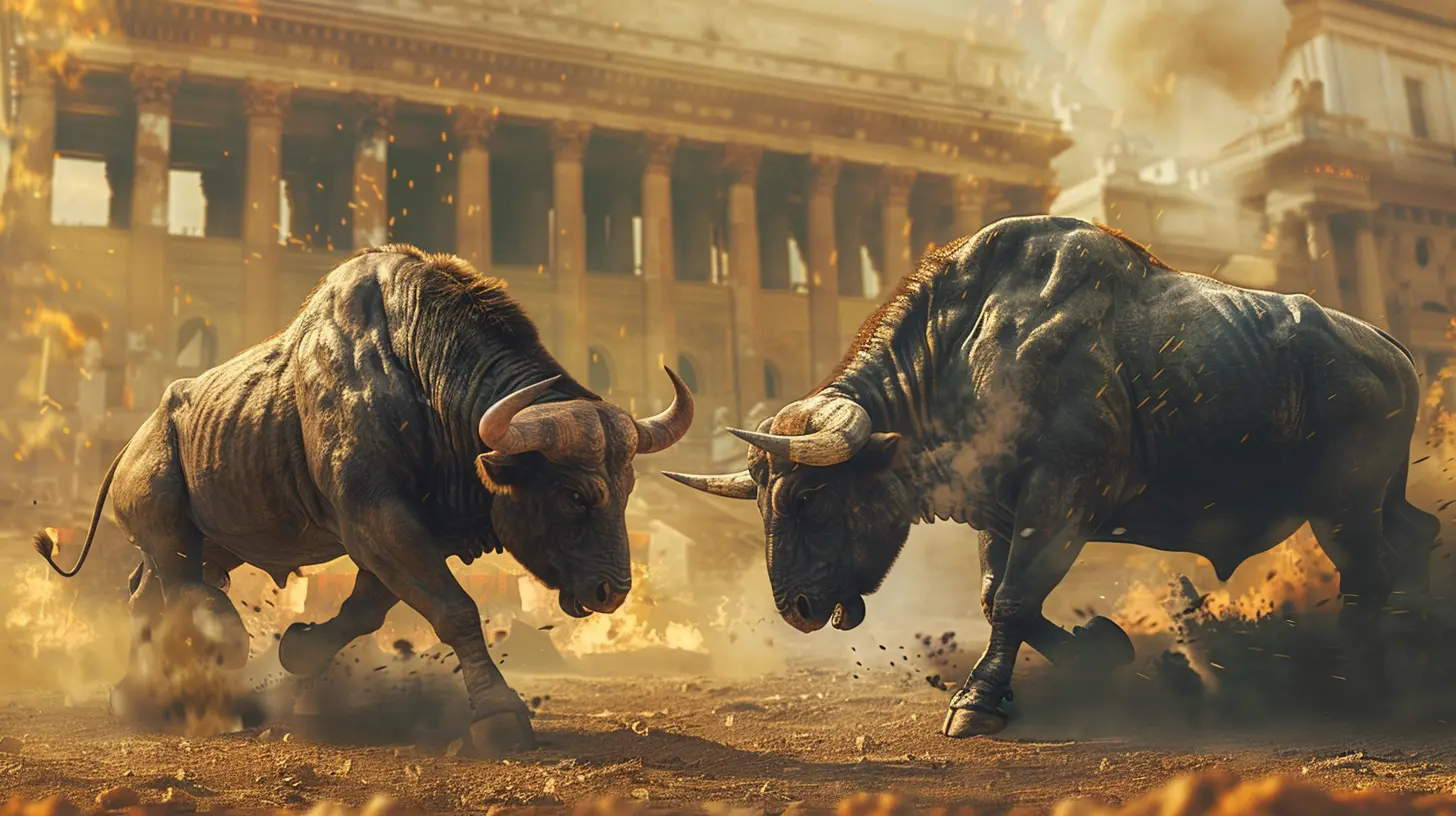
Major Political Events That Shake the Stock Market
Now, let's talk about some of the biggest political events that make the market go bonkers.1. Elections: The Super Bowl of Uncertainty
Elections, especially U.S. presidential elections, can make the stock market dance like it’s at a wedding after one too many drinks. Why? Because different political parties often push different economic policies, and investors try to predict how those policies will impact businesses.For example:
- Republican victories are generally seen as "pro-business" (tax cuts, deregulation), which can boost certain stocks.
- Democratic victories often mean increased government spending and regulation, which can shake up the market in different ways.
But here’s the kicker—markets tend to perform well in election years regardless of who wins. Investors just want the uncertainty to be over. Kind of like how we all just want election ads to stop ruining our favorite YouTube videos.
2. Government Policies: Wall Street’s Mood Ring
When politicians announce new policies—think tax cuts, stimulus packages, or trade agreements—investors react fast. Sometimes too fast.- Tax Cuts? Businesses love them. More profits = happier investors.
- Regulations? Some industries panic. Less freedom = potential profit cuts.
- Stimulus Checks? Consumers spend more, which can boost the economy.
It’s like a restaurant deciding to change their menu. Some customers get excited, others grumble, but everyone has an opinion.
3. Trade Wars: The Stock Market’s Version of a Soap Opera
Ah, trade wars—a perfect example of how politics can throw the stock market into a tailspin. When two countries (cough U.S. and China cough) start slapping tariffs on each other, businesses that rely on imports and exports freak out.For instance, when the U.S. and China went at it in 2018-2019, the market was up and down like a toddler on a sugar high. Investors panicked, companies struggled, and headlines made it sound like the world was ending. (Spoiler: It didn’t.)
4. Wars and Geopolitical Tensions: A Stock Market Horror Show
Nothing spooks the market like conflicts. Wars, terrorist attacks, and geopolitical tensions can send investors running for the hills. Why? Because wars disrupt economies, oil prices skyrocket, and uncertainty skyrockets even higher.Example: When Russia invaded Ukraine in 2022, global markets panicked. Oil prices soared, stocks dipped, and investors scrambled for safe-haven assets like gold.
5. Impeachments and Scandals: The Reality TV of Politics
Scandals are like reality TV for investors—they’re dramatic, unpredictable, and usually involve someone saying, “No comment.”Bill Clinton’s impeachment? Market dipped, then recovered.
Trump’s impeachment? Similar story.
Basically, scandals can cause short-term panic, but long-term investors know better than to freak out over every political soap opera. 
How Investors React: The Good, The Bad, and The Overdramatic
So, when political chaos ensues, what do investors do?- Some panic! They sell off stocks like they’re trying to escape a sinking ship.
- Some hold steady. They ride out the storm, knowing markets bounce back.
- Some see opportunity. They buy the dip, banking on future gains.
If investing were a poker game, some people would fold at the first bad hand, others would hold, and the bold ones would go all-in. 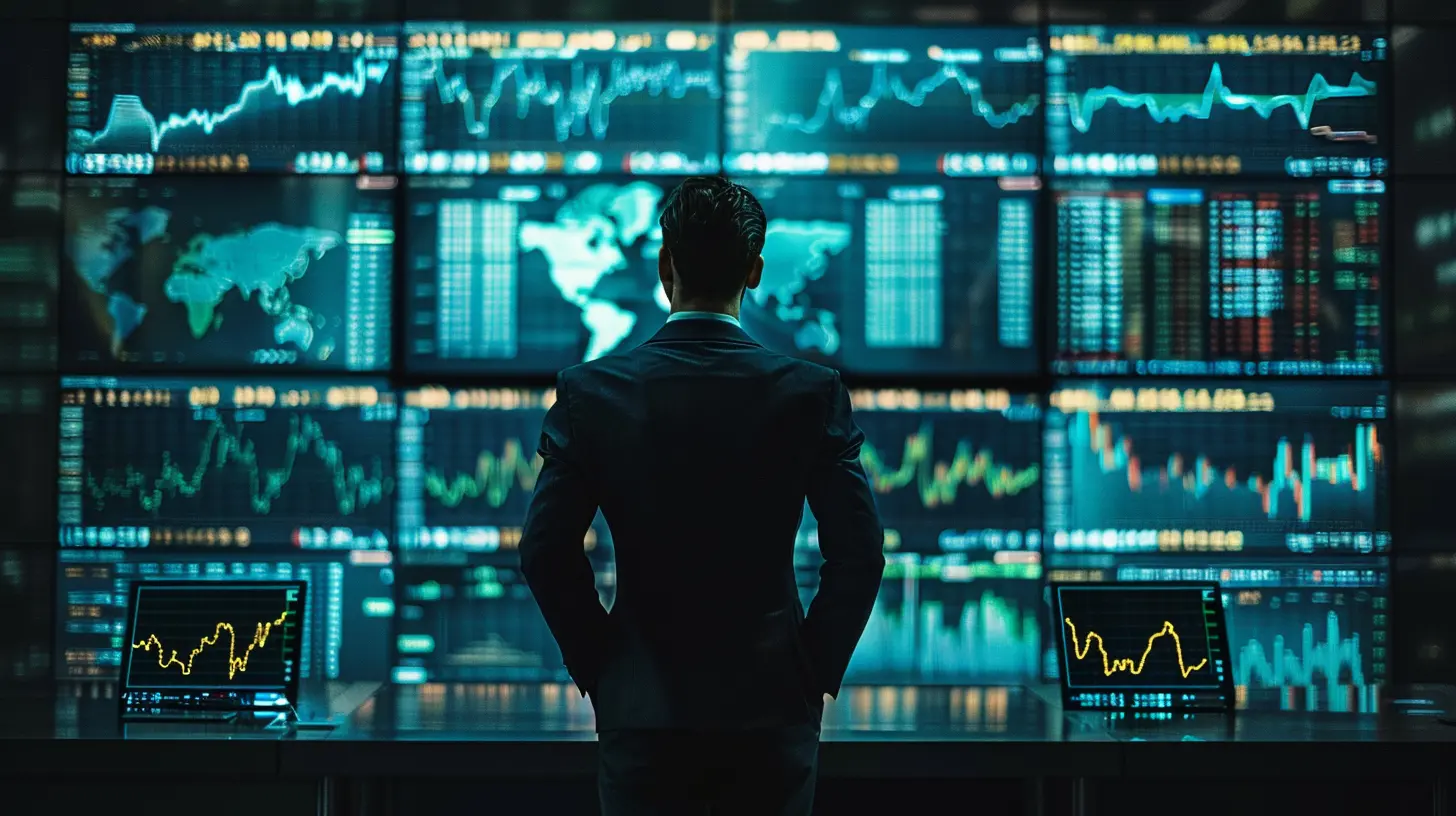
Should You Freak Out Over Politics and the Stock Market?
Short answer: Nope.Long answer: The stock market has survived everything from world wars to financial crises to politicians tweeting things they definitely shouldn’t. If history has taught us anything, it’s that markets recover—eventually.
The key is staying calm and thinking long-term. Investing based on short-term political drama is like steering a boat by following the waves instead of the compass. You’ll just end up going in circles.
Final Thoughts
Political events may send the stock market on a rollercoaster ride, but here’s the truth: over the long run, the market tends to go up. Investors who stay patient usually come out ahead, while those who panic often regret it.So, next time a political event sends stocks tumbling, take a deep breath, grab some popcorn, and remember—this too shall pass.
all images in this post were generated using AI tools
Category:
Stock AnalysisAuthor:

Julia Phillips
Discussion
rate this article
2 comments
Sabrina McClary
Political events shape market trends and investor sentiment.
March 16, 2026 at 4:33 AM
Julia Phillips
Absolutely, political events can create significant fluctuations in market trends and influence how investors feel about their decisions.
Trixie Evans
Political events shape market dynamics profoundly. Investors must embrace volatility and adapt swiftly; ignoring these influences is a recipe for missed opportunities and financial losses.
March 10, 2026 at 3:46 AM
Julia Phillips
Absolutely true. Political events can shift market sentiment quickly. Staying informed and adaptable is key for any investor.