How Renting Offers Flexibility for a Changing Economy
19 August 2026
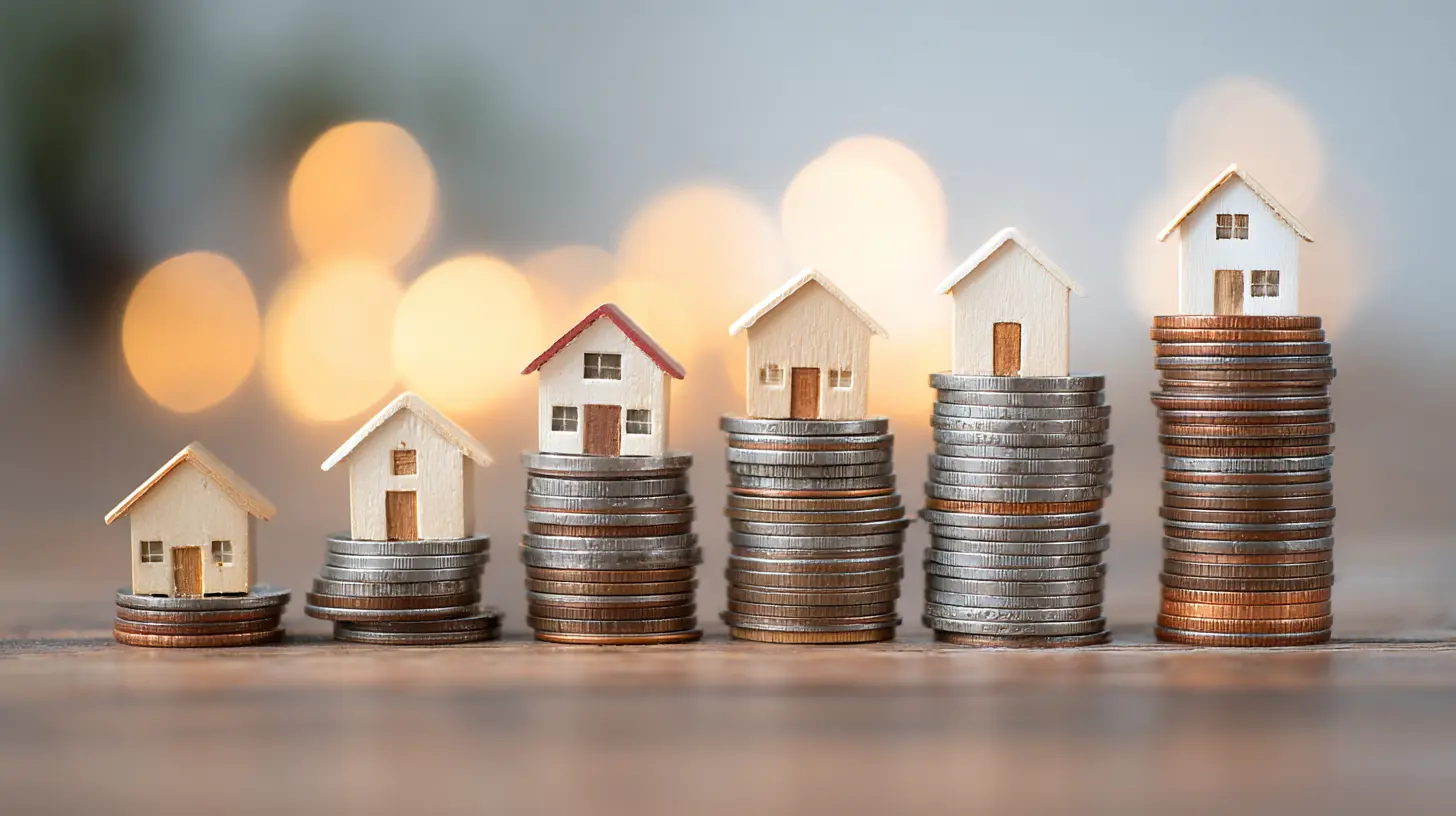
The conversation about renting versus buying a home usually gets framed as a moral choice. You hear that renting is "throwing money away" and that buying is "building equity." That framing was built for a different era, one with stable job tenures, predictable interest rates, and a housing market that moved like a slow tide. The current economy does not look like that. It looks like a white-water river.
We are living through a period of persistent volatility. Interest rates swing, remote work has scrambled the geography of employment, and entire industries can reprice in a matter of months. In that environment, the calculus flips. The true value of renting is not that it is cheaper every month. It is that renting converts a massive, immovable liability into a manageable monthly expense. That conversion buys you something that is hard to price but impossible to overvalue: optionality.
This article is not a blanket endorsement of renting over buying. It is a critical look at why renting, for many people in this specific economic moment, is not a fallback position. It is a strategic one.
The Illusion of the Fixed Mortgage Payment
The single most repeated argument for buying a home is that a fixed-rate mortgage locks in your housing cost for thirty years. That sounds like stability. In practice, it is a partial truth that ignores the other half of the ledger.
A mortgage payment is fixed. The associated costs are not. Property taxes rise with local budgets. Homeowners insurance climbs with every climate-related catastrophe. Maintenance is a variable cost that only goes in one direction. A new roof, a failing HVAC system, or a plumbing issue can cost more than a year of rent. The house you could afford at purchase can become a financial anchor within five years, not because the mortgage changed, but because everything around it did.
Renting, on the other hand, gives you a hard cap on your housing cost for the term of the lease. You know exactly what you owe. If the water heater dies, you make a phone call. The landlord eats that cost. In a volatile economy, the predictability of a fixed monthly rent, even one that increases annually, is often more valuable than the pseudo-predictability of a mortgage that comes with surprise bills.
The deeper issue is opportunity cost. The money you would have put into a down payment, closing costs, and ongoing repairs is not locked in a physical asset. It is liquid. You can deploy it when a better opportunity appears, whether that is a business investment, a career move, or a market correction. A house is a very illiquid asset. Selling it takes months, costs about six percent in commissions, and requires you to time the market. If your job disappears and you need to relocate for a new one, you cannot move a house in a week. You can end a lease.
Career Mobility in a Post-Pandemic Labor Market
The pandemic fundamentally rewired where and how people work. Hybrid schedules are now standard in many industries. Some companies have gone fully remote, others have called everyone back. The whiplash is real. If you are tied to a mortgage, your career choices are constrained by your property. You cannot easily take a contract role in another city, accept a promotion that requires relocation, or chase a higher salary in a cheaper state without first dealing with the real estate.
Renters do not have that problem. When your lease ends, you can move within a month. Even if you break a lease, the penalty is usually two to three months of rent, which is a rounding error compared to the cost of selling a house at a loss. This is not a minor advantage. Wage stagnation has made job hopping the primary way to increase income. Data consistently shows that workers who change employers see larger salary bumps than those who stay put. A mortgage is a leash. It keeps you tethered to a specific location, often for a decade or more, to make the purchase financially worthwhile.
Consider the practical scenario. You live in Austin, Texas, and buy a condo. A year later, your company announces a five-day office mandate, but your entire team is in Denver. You have two choices: sell the condo and eat the transaction costs, or rent it out and become an accidental landlord. Both are stressful, capital-intensive options. If you had been renting, you would simply give notice and move. The flexibility to follow the work, not the property, is a direct hedge against the instability of modern employment.
The Capital Efficiency of Renting
There is a pervasive myth that renting is "dead money." This ignores what you do with the money you save by not buying. The math of buying only works if the property appreciates at a rate that outpaces the stock market, and it has to do so while you pay for interest, taxes, insurance, and maintenance. Historically, real estate appreciates at a rate roughly comparable to inflation, around three to four percent annually. The S&P 500 has historically returned around seven to ten percent annually, before inflation.
The difference is leverage. Buying a home lets you control a large asset with a small down payment. If you put twenty percent down and the house appreciates by three percent, your return on the down payment is actually fifteen percent, because you are using the bank's money. That is the real argument for buying. It is a leveraged bet on appreciation.
But leverage cuts both ways. If the market drops, you lose more than your down payment. You are underwater, owing more than the house is worth. That is what happened to millions of people in 2008. They did not just lose value; they lost the ability to sell without writing a check to the bank. Renting carries no such risk. Your exposure to the housing market is exactly zero.
For a disciplined investor, the rent-versus-buy decision is a return-on-investment calculation. If you can rent a home for $2,000 a month and invest the $40,000 you would have used as a down payment into a diversified index fund, you are betting on the market. Over a ten-year horizon, that investment is likely to outperform the appreciation of the house, especially when you factor in the maintenance and tax costs you avoided. The key is that you must actually invest the difference. If you rent a larger apartment than you need or spend the savings on lifestyle inflation, the math collapses.
The Hidden Cost of Homeownership: Maintenance and Mental Load
People talk about the pride of ownership but rarely mention the burden. Every squeaky floorboard, every leaky faucet, every overgrown tree is your problem. The average homeowner spends between one and four percent of the home's value on maintenance each year. On a $400,000 house, that is $4,000 to $16,000 annually, and you have no control over when those costs hit. It could be a slow year, or it could be the year the foundation cracks.
Renting outsources that burden. You pay a premium for the privilege of not caring. That premium is not wasted; it is the price of your own time and attention. In an economy where your energy is better spent on skills development, networking, or building a side business, the mental load of homeownership is a hidden tax. The landlord handles the emergency at 2 a.m. You handle the email.
This is especially relevant for younger workers in their twenties and thirties. They are in the highest-velocity phase of their careers, where each year brings new opportunities and higher pay. Tying themselves to a property that demands weekends of yard work and a constant stream of contractor visits is a distraction. It pulls focus away from the compounding returns of career investment. The flexibility of renting allows you to redirect that time and money into yourself, which is the highest-return asset most people will ever own.
When Renting Is the Wrong Choice
It would be dishonest to ignore the cases where renting is clearly inferior. The first is long-term stability in a low-cost area. If you live in a region where homes cost $150,000 and rents are $1,200 a month, buying almost always makes sense. The mortgage payment on that house, even with taxes and insurance, will likely be lower than the rent. You are building equity in an affordable asset. The flexibility premium is not worth paying when the numbers are that skewed.
The second case is the disciplined saver who has a problem with liquidity. If you are the type of person who lets cash burn a hole in their pocket, a mortgage is a forced savings plan. You cannot easily spend your home equity on a new car or a vacation. Renting requires a level of financial discipline that many people do not have. If you are not going to invest the difference between rent and a mortgage, then renting is genuinely a worse deal for you.
The third case is the long horizon. If you are certain you will stay in the same city for ten years or more, the transaction costs of buying, which are substantial, get amortized over a long period. The leverage works in your favor. The risk of a market downturn is reduced because you have time to wait for a recovery. Renting for a decade means you have paid a decade of someone else's mortgage while missing out on appreciation. That is a real cost, and it is not offset by flexibility you never use.
The Strategic Renter: How to Do It Right
Renting as a strategy works only if you treat it like a business decision, not a lifestyle choice. The first rule is to keep your housing costs below what you can afford. If you can afford a $2,500 mortgage, rent a $1,800 apartment and invest the $700 difference. That is the entire game. If you rent at the top of your budget, you gain none of the financial benefits.
The second rule is to negotiate your lease. Most people accept the first renewal rate offered. Landlords expect you to negotiate. A two or three percent reduction on a twelve-month lease is a real saving. More importantly, negotiate for flexibility. Ask for a clause that allows you to break the lease with sixty days notice and a smaller penalty. Some landlords will agree, especially in a soft rental market. That clause is worth more than a lower rent because it preserves your optionality.
The third rule is to avoid the trap of over-priced luxury rentals. Amenities like pools, gyms, and concierge services are nice, but you pay for them in rent. In a changing economy, your money is better spent on emergency savings or investment contributions. A basic, functional apartment in a safe neighborhood is a better base of operations than a fancy one that eats your monthly surplus.
The fourth rule is to keep your living situation aligned with your income trajectory. If you expect a promotion or a job change, do not sign a fifteen-month lease. Keep your commitments short. A six-month lease with a slightly higher rent gives you the ability to pivot quickly. The extra money you pay for that flexibility is an insurance premium against being stuck in a location that no longer serves you.
The Macro View: Housing as a Barometer
The broader economy is showing signs that the old rules are breaking down. Interest rates are no longer predictable. The Federal Reserve has signaled that rates will stay higher for longer. That means the cost of borrowing for a home is high, and it is not going to drop dramatically soon. Buying a home at a seven percent interest rate is fundamentally different than buying at three percent. The monthly payment on the same house is nearly double. That is not an investment; it is a liability.
At the same time, the rental market is showing signs of cooling in many cities. New supply is coming online, and landlords are offering concessions like free months or reduced deposits. This creates a window for renters. You can lock in a favorable rate now, while the market is soft, and avoid the high cost of a mortgage. When interest rates eventually drop, you will have saved enough from renting to make a stronger down payment, or you will have invested the difference and built a larger portfolio.
The decision is not about pride. It is about positioning. In a changing economy, the people who thrive are not necessarily the ones who own the most assets. They are the ones who can adapt the fastest. Renting is an adaptation tool. It allows you to move toward opportunity and away from risk without the drag of a physical asset. It keeps your balance sheet clean and your options open.
Common Mistakes and Misconceptions
The biggest misconception is that renting is always cheaper. It is not. In some markets, particularly in the Sun Belt, rents have risen faster than home prices. You need to run the numbers for your specific zip code. Use a rent-versus-buy calculator that accounts for maintenance, taxes, insurance, and the opportunity cost of your down payment. The result will surprise you.
Another mistake is ignoring the tax implications. Homeowners can deduct mortgage interest and property taxes, but the standard deduction is so high now that most people do not benefit. For a married couple, the standard deduction is over $27,000. Unless your mortgage interest and taxes exceed that, you are getting no tax benefit from owning. The old "tax break" argument for buying is largely obsolete for middle-class buyers.
A third mistake is assuming that rent increases will always outpace your income. They often do not. Rent is renegotiated annually, and in a downturn, rents can actually fall. If you lose your job, you can downsize to a cheaper apartment. If you own a house and lose your job, you still have to pay the mortgage, the taxes, and the upkeep. The bank does not care about your unemployment. Renting provides a natural hedge against income shocks because your housing cost is renegotiable every year.
The Final Trade-Off
Renting is not about avoiding ownership. It is about deferring it until the terms are in your favor. The economy is in a state of flux. Remote work has made location less important. Interest rates have made borrowing expensive. The job market rewards mobility. In that environment, the renter has the advantage.
You are not throwing money away. You are paying for a service: the service of flexibility. You are paying to avoid the risk of a leveraged asset in a volatile market. You are paying for the ability to walk away from a bad situation without losing your life savings. That is not a waste. That is a strategic purchase.
When the economy stabilizes, when interest rates normalize, when you have a clearer picture of where you want to live for the next decade, then the scale tips back toward buying. Until then, the smart play is to stay light, stay liquid, and stay ready to move. The changing economy rewards those who can change with it. Renting is the best tool for that job.
all images in this post were generated using AI tools
Category:
Renting Vs BuyingAuthor:

Julia Phillips
Discussion
rate this article
2 comments
Zaid Riley
Renting provides an adaptable solution in today's economic climate. It allows individuals to respond quickly to job changes and market shifts, ensuring financial stability without the burden of long-term commitments.
September 16, 2026 at 3:35 AM
Julia Phillips
I agree. Renting truly offers the flexibility needed to navigate today's unpredictable landscape, making it a smart choice for many.
Buzz Rios
Renting provides adaptability amidst economic shifts, allowing individuals to adjust their living situations without long-term commitment.
September 14, 2026 at 4:23 AM