Renting vs Buying: What to Expect in the Real Estate Market in 2026
16 April 2026
Let’s be honest—the decision between renting an apartment and buying a home feels less like a financial choice and more like a lifelong identity quiz. Are you a “rooted, building-equity” person or a “free-spirited, flexibility-first” person? For decades, the answer seemed pre-written: buying a home was the ultimate goal, the cornerstone of the American Dream. But as we’ve all witnessed, the ground beneath that dream has shifted. Interest rates have danced, prices have soared, and the very idea of “home” has transformed.
So, as we peer into the not-so-distant future, what does the landscape look like for 2026? Is the pendulum swinging back towards buyers, or will renting continue to be the pragmatic choice for many? Buckle up. We’re going to navigate the emerging trends, economic forecasts, and personal finance realities you can expect in the 2026 real estate market. This isn’t about a one-size-fits-all answer; it’s about giving you the map and compass for your own journey.
The 2026 Landscape: A Market in Transition
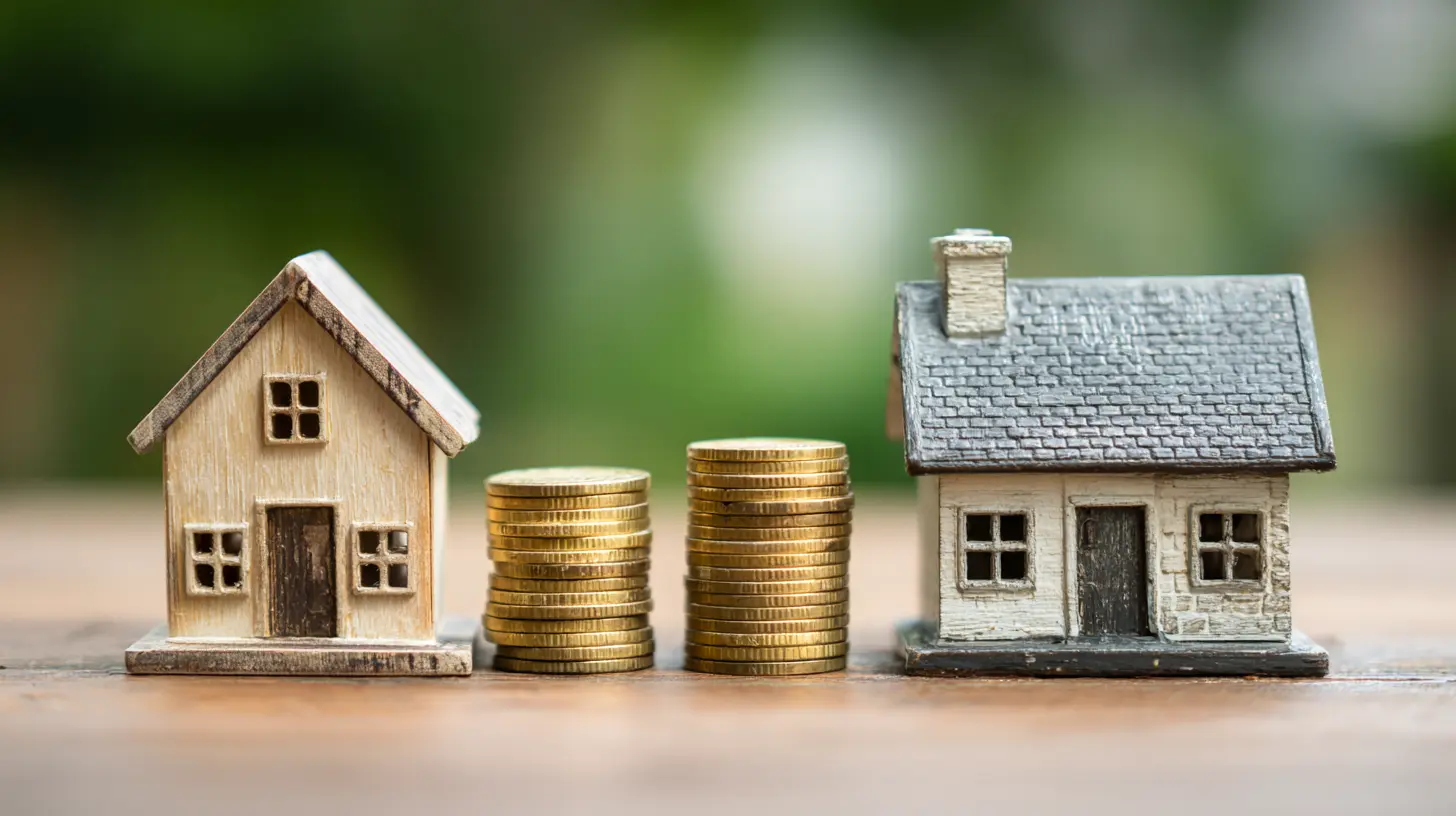
Think of the real estate market as a massive ocean liner. It doesn’t turn on a dime. The currents we see today—inventory levels, mortgage rates, demographic shifts—are setting a course for where we’ll be in 2026. We’re likely past the white-hot frenzy of the early 2020s, but we’re not returning to the “old normal” either. The market is finding a new equilibrium, and understanding that balance is key.Several powerful forces are at the helm. First, demographics are destiny. The massive Millennial generation is firmly in its prime home-buying years, while Gen Z is beginning to make its first serious moves. This creates sustained, underlying demand. Second, the legacy of remote and hybrid work is permanent for a significant slice of the workforce. This has permanently altered what people want from a home (hello, home office) and where they want to live (goodbye, mandatory city center). Finally, the construction pipeline is slowly catching up, but a fundamental shortage of housing, especially “starter homes,” isn’t vanishing overnight. These factors combine to create a 2026 market that is more nuanced, more segmented, and demanding of a clearer-eyed analysis than ever.
The Case for Buying in 2026: Planting Your Flag
For some, buying a home will be a compelling and achievable goal in 2026. Let’s break down why.Mortgage Rates: Finding a New "Normal"
The sticker shock of 7%+ mortgage rates will likely have softened by 2026. Most economists project a gradual decline from recent peaks, settling into a range that, while higher than the 3% we nostalgically remember, will feel more manageable—think mid-5% to low-6%. This isn’t about waiting for a miraculous drop back to historic lows; that ship has likely sailed. Instead, it’s about acclimating to a new financial climate. The silver lining? More stable, predictable rates cool bidding wars and give buyers more time to think, inspect, and negotiate. You won’t be writing a love letter to the seller; you’ll be writing a contract.Inventory Slowly Thawing
The “lock-in effect,” where existing homeowners stay put to keep their ultra-low rates, will begin to ease by 2026. Life, as it always does, will intervene—job changes, growing families, retirement. This will slowly, incrementally, add more pre-owned homes to the market. Additionally, focused construction in certain areas (like build-to-rent communities and suburban townhomes) will add options. You won’t see a flood of inventory, but you might see a steady trickle, turning a seller’s monsoon into a seller’s drizzle in some markets.Long-Term Equity in a Stabilizing Market
Here’s the timeless argument for buying: you’re paying yourself. In 2026, with a more balanced market, home price appreciation is expected to be moderate and sustainable—returning to historical averages of 3-5% annually in many areas, rather than the 15% spikes of recent years. This is actually healthier. It means you can build equity steadily without the gut-churning fear of a bubble. You’re planting a tree, not buying a lottery ticket. For those planning to stay put for 7-10 years, buying in 2026 could be a period of sensible, long-term wealth building.
The Case for Renting in 2026: The Power of Flexibility
Now, let’s flip the script. Renting in 2026 won’t be a consolation prize; for many, it will be the strategic, empowering choice.The Skyrocketing Cost of Homeownership
It’s not just the mortgage. It’s the property taxes, which keep climbing. It’s homeowners insurance, which is becoming a major budget line item, especially in areas prone to climate risks. It’s the $10,000 roof repair and the $5,000 HVAC replacement. In 2026, the true, all-in cost of owning a home will be more transparent and more daunting. Renting, by contrast, offers a predictable, capped monthly housing cost. The landlord handles the surprises. In a world of economic uncertainty, that predictability is a superpower. It’s like having a fixed-rate budget for your largest expense.Unparalleled Mobility and Freedom
The hybrid work era has unlocked a new value: geographic freedom. What if your dream company is across the country? What if you want to live in three different cities in your 20s or 30s? A mortgage is a 30-year tether; a lease is a 12-month commitment. In 2026, the premium on flexibility will be higher than ever. Renting allows you to chase opportunities, experiences, and lifestyles without the monumental transaction costs and hassle of selling a home. Your life isn’t a spreadsheet; it’s an adventure. Renting keeps you agile to navigate it.The Rise of the "Rentership Society" and Premium Amenities
The market is responding to demand. By 2026, a new wave of high-quality, purpose-built rental communities will be mature. We’re not talking about your college apartment. Think concierge services, co-working spaces, resort-style pools, and community events—all without the maintenance burden. For a generation that values experiences and convenience over lawn care, this is a huge draw. You’re not just renting an apartment; you’re buying a lifestyle and your time back.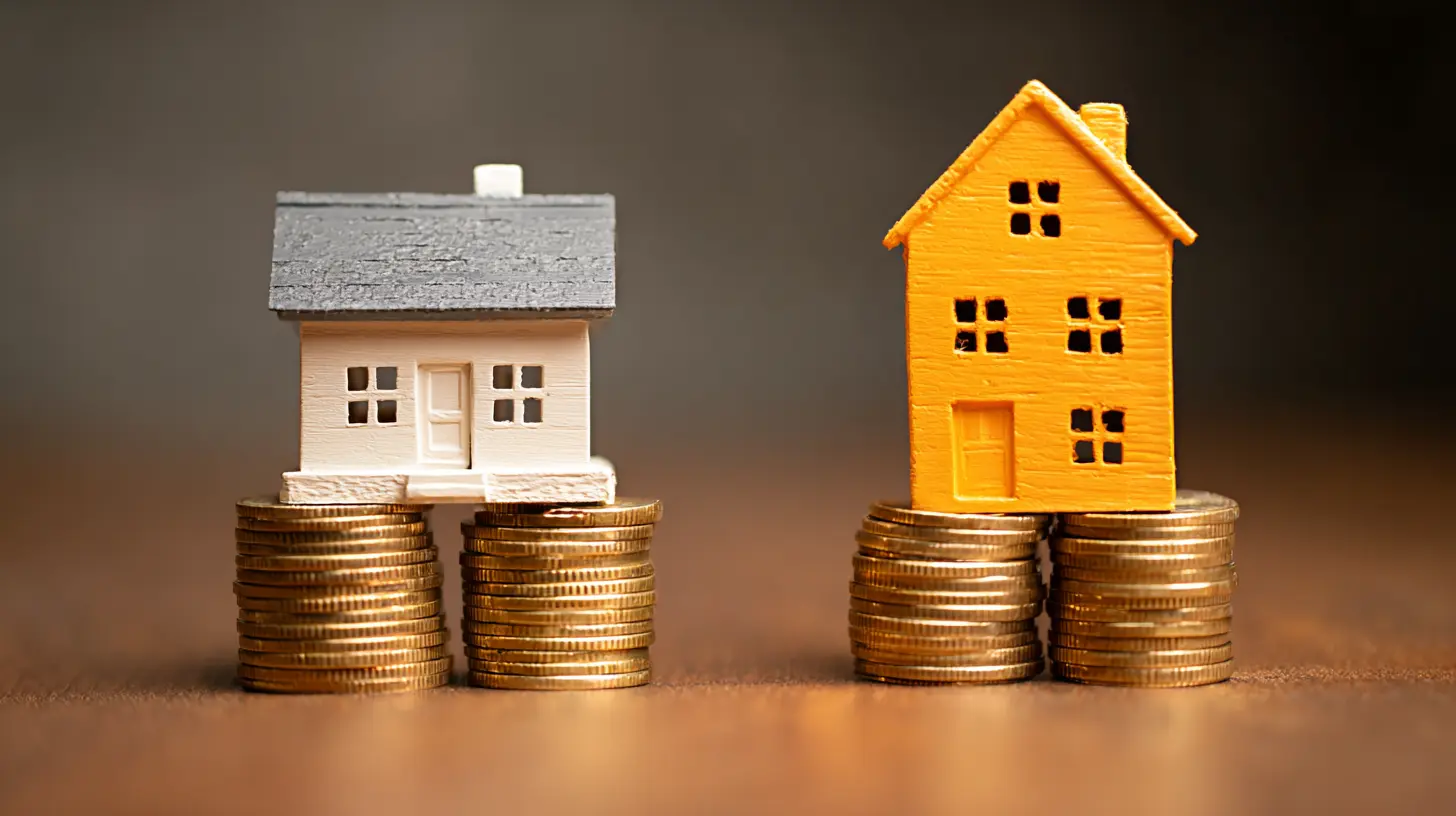
Your Personal Finance Checkpoint: The Deciding Factors
So, with these market forces in play, how do you decide? Let’s move from the macroeconomic to the deeply personal.The Time Horizon Test: This is the golden rule. If you can’t confidently see yourself living in the same home for at least five to seven years, renting is almost certainly the smarter financial move. The costs of buying and selling (closing costs, agent commissions, etc.) will wipe out any modest equity you build in a shorter period. Renting preserves your capital for other goals.
The Location vs. Space Dilemma: In 2026, your budget may force a classic choice. Often, renting gets you a better location (closer to urban cores, amenities, transit), while buying gets you more space (further out in the suburbs). Which aligns with your phase of life? Is a shorter commute or a backyard for your dog more valuable to you right now?
The Opportunity Cost Calculator: That hefty down payment isn’t just sitting in your house. It’s not being invested elsewhere. With a balanced market offering moderate home appreciation, you must ask: could that $80,000 down payment potentially earn a higher, more liquid return in a diversified investment portfolio? For the financially savvy, renting and investing the difference remains a potent, and often overlooked, wealth-building strategy.
The Verdict for 2026: It’s About Alignment, Not Absolutes
By now, you can see there’s no trumpeting announcement that “BUYING IS BACK” or “RENTING RULES.” The 2026 real estate market is maturing into a arena of legitimate, parallel choices.Who should strongly consider buying in 2026? You, if you have stable income, a solid emergency fund beyond your down payment, a credit score that gets you the best rate, and a life plan that’s rooted in one community for the foreseeable future. You’re ready for the responsibility and see your home primarily as a long-term place to live and build equity.
Who should strongly consider renting in 2026? You, if you value flexibility above all, are in a career or life chapter with potential for change, want to live in a high-cost area where buying is out of reach, or simply want to offload the stress and variable costs of maintenance. You see your housing payment as a service fee for freedom and predictability.
The old stigma of renting is crumbling. In 2026, the smartest decision will be the one that best aligns with your personal finances, your career trajectory, and your vision for your life. It’s not a race to ownership; it’s a journey to building the life you want. The market is giving you options. Your job is to choose the one that fits.
So, as 2026 approaches, don’t ask, “Should I rent or buy?” Instead, ask: “What does my life need my housing to do for me right now?” Answer that honestly, and the path forward becomes much clearer.
all images in this post were generated using AI tools
Category:
Renting Vs BuyingAuthor:

Julia Phillips
Discussion
rate this article
2 comments
Sawyer Whitaker
As the real estate market evolves, both renting and buying present unique advantages. It's essential to evaluate personal circumstances and long-term goals. In 2026, understanding market trends will be crucial for making informed decisions that align with your financial future.
June 4, 2026 at 10:48 AM
Julia Phillips
Absolutely, personal circumstances play a key role in this decision. Staying informed on market trends will definitely guide better choices in 2026.
Zephyrine Soto
Great insights! As we approach 2026, understanding the nuances of renting vs. buying will empower informed decisions. Stay curious and adaptable—your financial future is bright with the right knowledge!
April 18, 2026 at 10:55 AM
Julia Phillips
Thank you! Staying informed is key to making the best choices in today's market. Excited for what's ahead in 2026!