Safeguarding Your Money: How to Detect and Prevent Bank Fraud
24 May 2026
Let’s be honest—when it comes to your hard-earned money, nothing hits harder than realizing someone’s taken advantage of your trust. Bank fraud is sneaky, and it’s everywhere. Whether it’s phishing scams, identity theft, or unauthorized transactions, criminals are constantly cooking up new ways to get their hands on your cash.
But here’s the good news—you’re not powerless. With the right tools and a bit of know-how, you can protect your finances like a pro. In this guide, we’ll break down exactly how bank fraud works, how to spot the warning signs, and what steps you can take today to keep your money safe. Ready to become your own financial bodyguard?
What Is Bank Fraud, Really?
Imagine this: You wake up, scroll through your bank app, and notice a $500 charge from a store you’ve never even heard of. Your heart skips a beat, right? That’s the face of bank fraud.Bank fraud is any illegal activity where someone uses deceptive methods to access your money without your permission. It can be as simple as stealing your debit card info or as complex as setting up fake identities and bank accounts.
If you’ve got a bank account, you’re a potential target. That might sound scary, but that’s why understanding it is your first line of defense.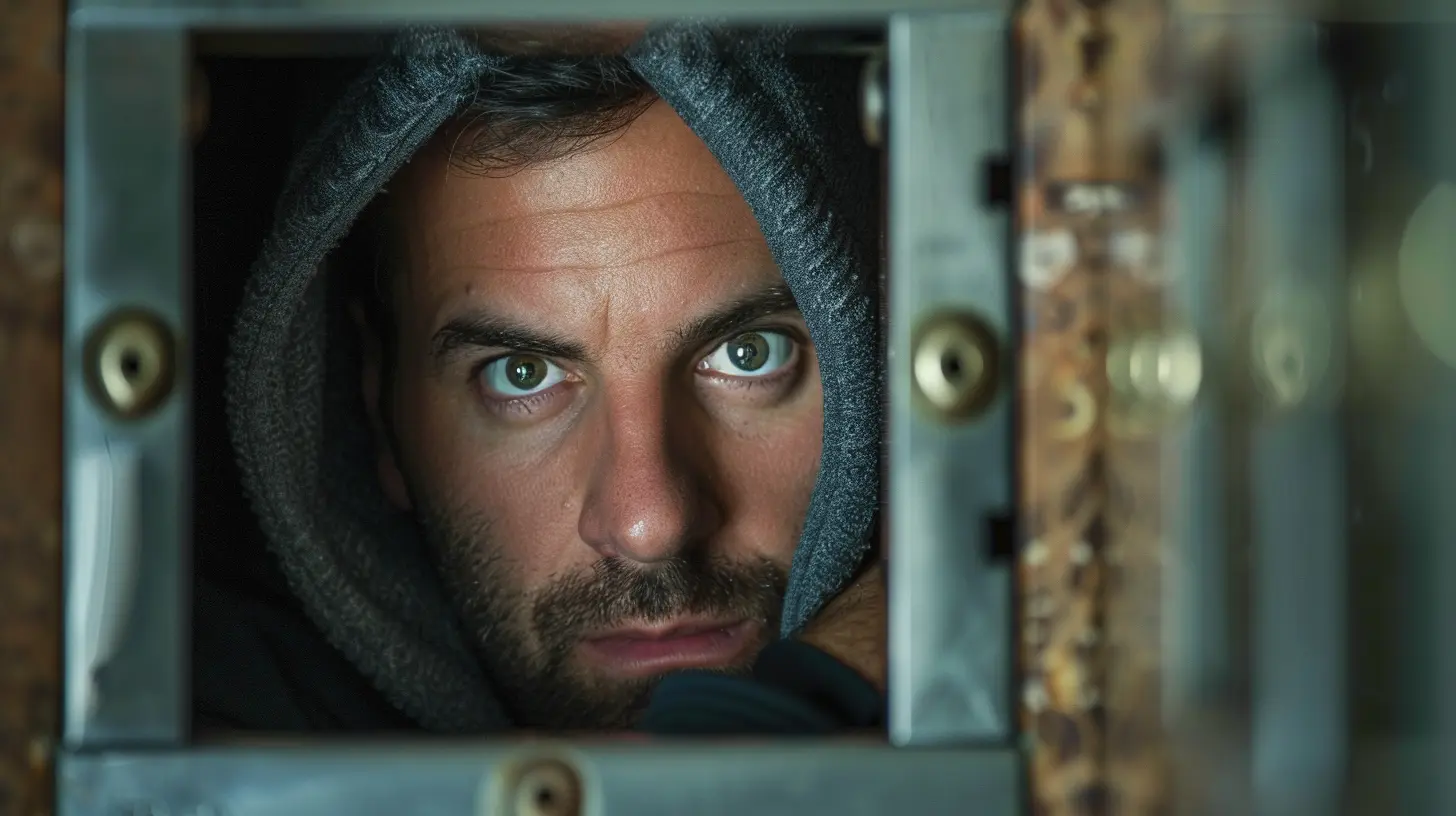
Common Types of Bank Fraud You Should Know About
Fraudsters are creative—seriously, if only they used their powers for good. Here are the most common scams they pull:1. Phishing Scams
These usually come in the form of fake emails, texts, or phone calls that look super convincing. They’ll ask you to “verify” your bank details. Once you hand them over? Boom—your account’s compromised.> ? Pro Tip: Banks never ask for sensitive details via email or text. If you’re unsure, call your bank using the number on the back of your card.
2. Skimming Devices
You swipe your card at the gas station, not knowing a small gadget is stealing your card info. Skimmers are sneaky and often impossible to notice.3. Fake Bank Websites or Apps
Cybercriminals sometimes create websites or apps that look just like your bank’s. Once you log in, they grab your account info.4. Check Fraud
Think checks are old news? Fraudsters still use them. They alter stolen checks or create completely fake ones to drain your account.5. Account Takeover
Once scammers have enough of your info, they can call your bank pretending to be you. They might change your account details, reset passwords, or transfer funds.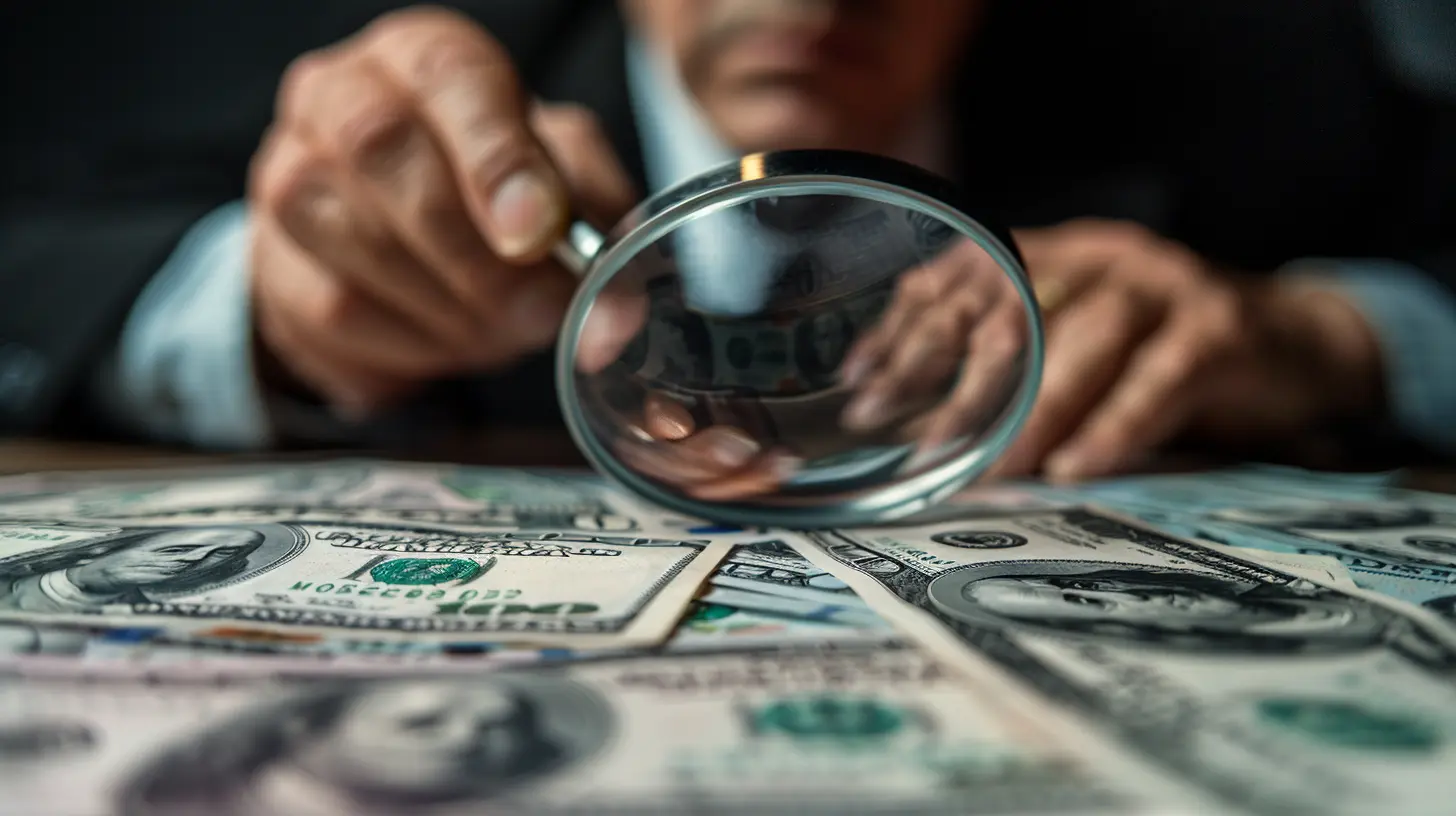
How to Detect Bank Fraud Before It’s Too Late
Here’s where your inner detective comes in. Most fraud goes unnoticed because we’re just not looking. Here’s what to keep an eye out for:1. Unusual Transactions
Random charges in odd places? Small test purchases? Yeah, that’s a red flag.2. Missing Mail
If you’re suddenly not getting your bank statements or new cards in the mail, someone might be intercepting them.3. Login Alerts You Didn’t Trigger
Most banks notify you of logins from new devices or locations. If that wasn’t you, red alert!4. Password Changes or Locked Accounts
If you find yourself locked out or see changes you didn’t make, act fast.5. Calls or Messages From “Your Bank”
Always be cautious. Scammers often pose as your bank to get your info. Even if the caller ID looks legit—don’t drop your guard.
Steps to Prevent Bank Fraud (And Sleep Better at Night)
Now for the good part—the action plan. Here’s how to armor up and shield your finances:1. Use Strong, Unique Passwords
Would you use the same key for your house, car, and mailbox? Hopefully not. So don’t do it with your passwords. Use complex and unique combinations for each account.> ? Bonus Tip: Use a password manager. It remembers them for you (so you don’t have to be a human password notebook).
2. Enable Two-Factor Authentication (2FA)
It’s like adding a second lock on your door. Even if someone has your password, they’ll need a second code—usually sent to your phone.3. Check Your Bank Statements Regularly
Yes, I know—boring. But a quick weekly glance at your transactions can catch anything fishy before it spirals.4. Set Up Alerts on Your Account
Most banks let you receive instant notifications for withdrawals, payments, or logins. Turn those bad boys on!5. Shred Documents With Sensitive Info
Old bank statements, pre-approved credit offers, anything with your account details—shred 'em. Don’t let them become a criminal’s lucky day.6. Be Skeptical of Unknown Contacts
Whether it’s a phone call, email, or a social media message, if someone asks for personal info—they probably shouldn’t have it.7. Keep Your Devices Secure
Update your phone and computer regularly. Use antivirus software. Don’t install sketchy apps—even if they promise to “boost your credit score overnight.”What to Do If You Think You’ve Been Scammed
So, you notice something weird. Maybe a charge, a login, or you gave your info to someone shady. What now?Step 1: Contact Your Bank Immediately
The sooner, the better. Banks can freeze your account, reverse charges, and prevent further damage.Step 2: Change Your Passwords
All of them. Especially those connected to your finances.Step 3: File a Fraud Report
You can usually do this through your bank and also online through the Federal Trade Commission (FTC) or local authorities.Step 4: Place a Fraud Alert on Your Credit Report
This warns lenders and credit agencies that you're at risk. It adds an extra layer of scrutiny before anyone opens new accounts in your name.Step 5: Monitor Your Credit
Use credit monitoring services to keep tabs on new accounts or inquiries. Catching identity theft early is half the battle.How Banks Help You (And Where You Still Need to Be Smart)
Here’s some relief—banks aren’t sitting ducks. They’re investing big time in cybersecurity, transaction monitoring, AI-driven fraud detection, and more. But no system is bulletproof.That’s why your involvement still matters. Think of it like a seatbelt: your car has airbags, but you still buckle up, right?
The Psychology Behind Scams: Why Even Smart People Fall for Fraud
It’s easy to think, “That would never happen to me.” But scams are crafted with psychological tricks. Urgency (“You must act now!”), authority (“I’m calling from your bank”), and fear tactics are common tools.Fraudsters play on emotion. When that kicks in, logic takes a back seat. So taking a breath, slowing down, and thinking critically can be your best defense.
Final Thoughts: Stay Alert, Not Afraid
Look, the digital world isn’t going anywhere. Neither is online banking. But don’t let fear drive your actions—let knowledge lead the way. By understanding how fraud works and staying just a step ahead, you’re already doing more than most.Bank fraud doesn’t have to be your story. Stay alert, stay informed, and treat your financial info like gold—because to scammers, it is.
all images in this post were generated using AI tools
Category:
Banking TipsAuthor:

Julia Phillips
Discussion
rate this article
1 comments
Elowis Fields
Great insights on protecting our finances! It's crucial to stay informed about bank fraud. These tips will definitely help us keep our money safe and secure. Thank you for sharing!
June 2, 2026 at 11:28 AM
Julia Phillips
Thanks for your feedback! I'm glad you found the tips helpful. Staying informed is key to protecting our finances.