Spending Habits That Could Shape the Next Decade
20 August 2026
Money is not just numbers in a bank account. It is a reflection of priorities, fears, and aspirations. The way people spend today is not random. It is shaped by technology, cultural shifts, economic pressure, and a slow but steady reevaluation of what a good life actually means. Looking ahead to the next ten years, the spending habits forming right now will not just affect personal budgets. They will reshape entire industries, influence policy, and redefine social status.
The next decade will not be defined by how much people earn. It will be defined by how they choose to allocate that income. Understanding these shifts now is not about predicting the future perfectly. It is about positioning yourself to make better decisions before the wave hits.
The Shift from Ownership to Access
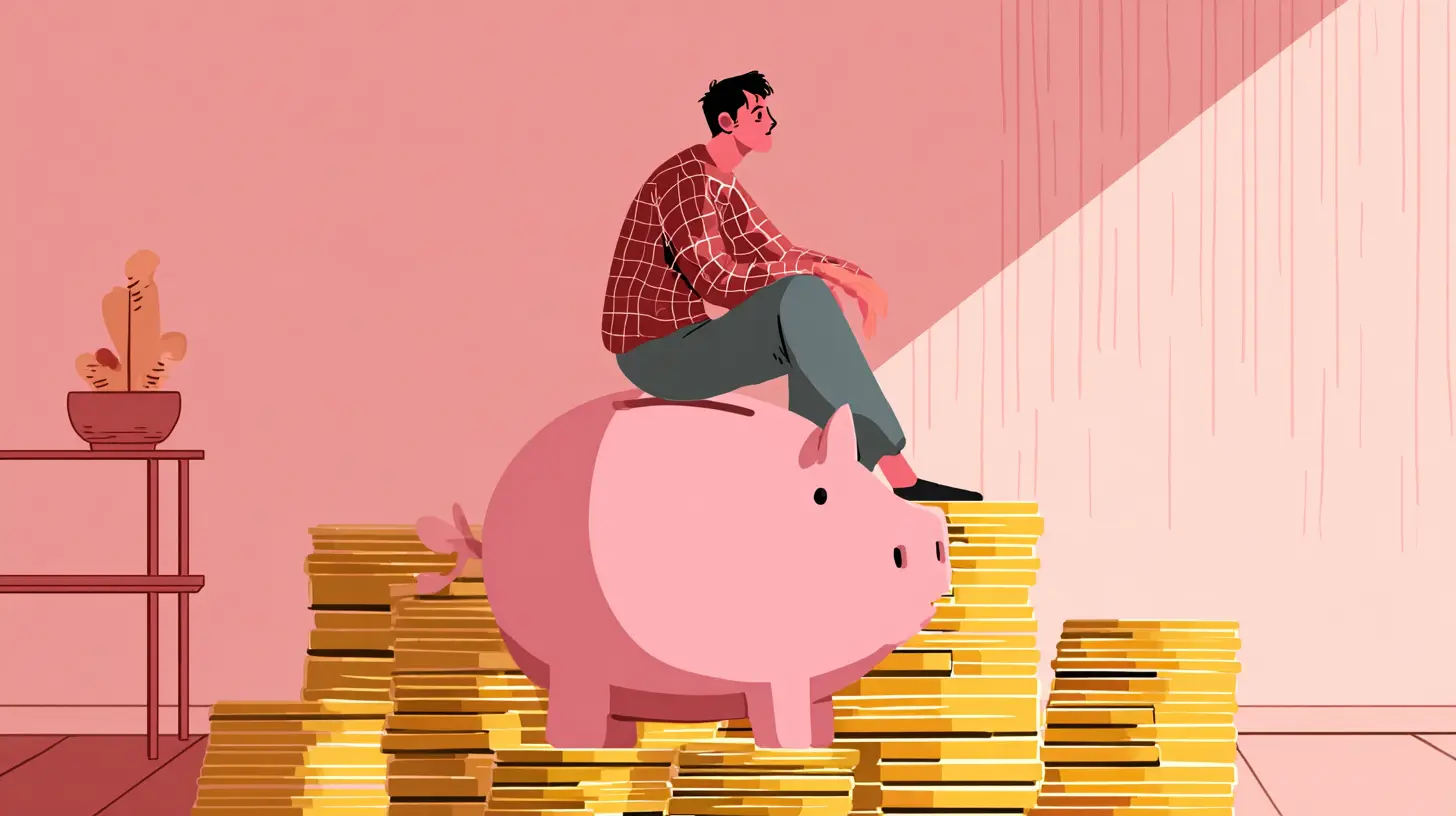
For decades, the American dream and similar ideals in other developed nations revolved around ownership. A house, a car, a lawnmower, a library of books, a garage full of tools. Ownership was stability. It was proof of success. That mindset is cracking.The shift toward access over ownership is not a millennial fad that will fade. It is a structural response to a world where flexibility matters more than permanence. Subscription services for software, music, and movies were just the beginning. Now people subscribe to cars, furniture, clothing, and even workout equipment. The next decade will see this expand into tools, kitchen appliances, and possibly major home systems like heating and cooling.
Why is this happening? Two reasons. First, the cost of high-quality items has risen faster than wages in most sectors. A decent road bike costs over a thousand dollars. A power drill that will last more than one project costs two hundred. But the average person uses a drill for maybe twenty minutes a month. The math of ownership does not work for items with low utilization rates. Second, mobility is now a career advantage. People move for jobs, for relationships, for climate. Owning bulky, single-purpose items becomes a liability when you have to transport them every few years.
The trade-off is real. Access models often cost more over a lifetime. A subscription to a car service will never be cheaper than owning a reliable used car for ten years. But the subscription buys you something ownership does not: freedom from maintenance, depreciation, and the mental load of disposal. The next decade will reward people who can calculate which items are worth owning and which are worth renting. The mistake is treating all purchases the same. A good rule of thumb is this: if you use an item weekly and it does not depreciate rapidly, buy it. If you use it monthly or less, rent it. If it depreciates faster than a new car, lease it or buy it used.
The Rise of Conscious Consumption
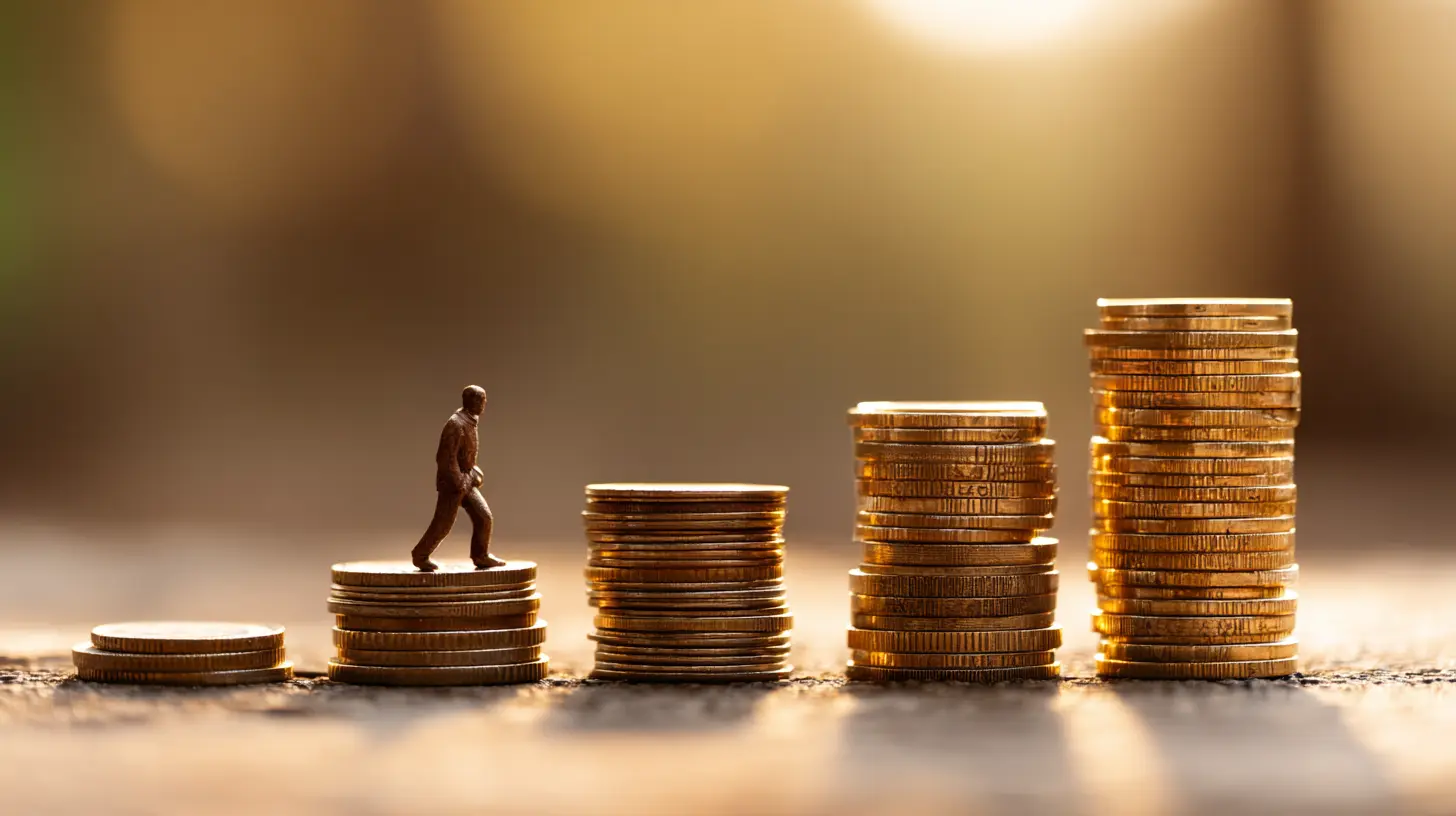
The term "conscious consumption" gets thrown around a lot, but the actual behavior is more specific than just buying eco-friendly products. It is about spending in a way that aligns with personal values, even when that costs more or requires more effort.This is not about guilt. It is about identity. People increasingly see their purchases as an extension of their moral framework. Buying from a local farmer is not just about vegetables. It is a statement about supporting community resilience. Choosing a repair over a replacement is not just about saving money. It is a rejection of planned obsolescence.
The next decade will push this further. The question will not be "Can I afford this?" but "What does buying this do to the world?" That sounds idealistic, but the data on secondhand markets, repair cafes, and buy-nothing groups shows it is already happening at scale. The resale market for clothing alone is growing faster than fast fashion.
But there is a dark side to conscious consumption. It can become a performance. Buying a forty-dollar reusable water bottle when a free glass jar works just as well is not environmentalism. It is status signaling. The next decade will separate genuine value alignment from aesthetic mimicry. The people who benefit most will be those who focus on the systems behind their purchases, not just the label on the front. That means asking questions like: What is the energy cost of shipping this? How long will this last? Can it be repaired? Who made it and under what conditions? These questions take time, and time is the one resource no one can buy back.
The Subscription Trap and the Great Unbundling
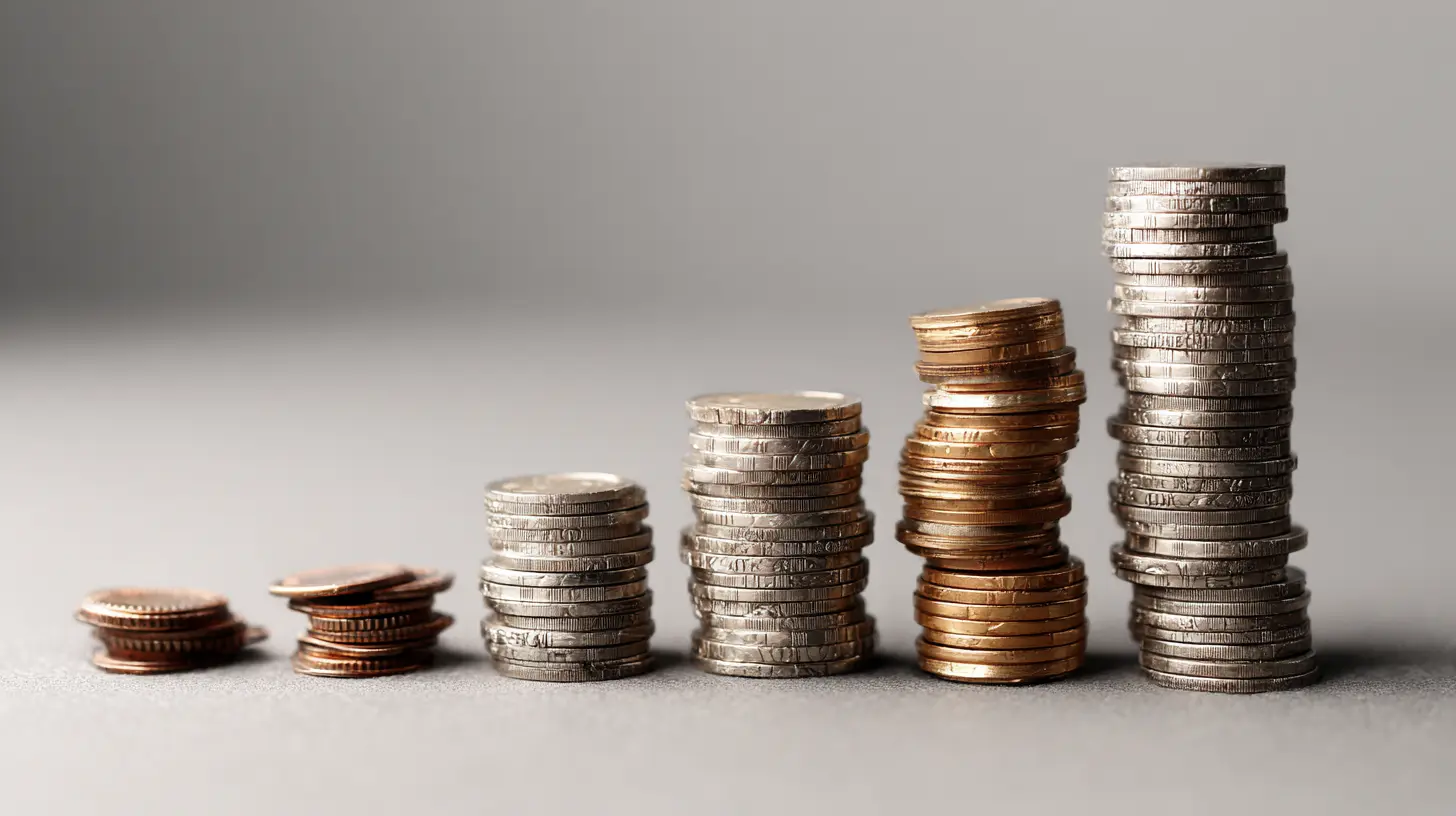
Subscriptions were supposed to simplify life. One fee, unlimited access, no thinking required. Instead, they have created a slow financial leak that most people do not even notice. A streaming service here, a cloud storage plan there, a meal kit, a fitness app, a magazine, a pet toy box. Individually, each is under twenty dollars a month. Collectively, they can easily reach three hundred dollars a month, which is thirty-six hundred dollars a year, which is a used car or a serious emergency fund.The next decade will see a correction. People are already experiencing subscription fatigue. The average household now holds over a dozen active subscriptions, and most cannot name half of them. The unbundling will happen in two ways. First, people will aggressively audit and cancel. Second, new services will emerge that bundle subscriptions into single, discounted packages, similar to how cable companies bundled channels, but with better terms.
The key skill for the next decade is not avoiding subscriptions. It is tracking them. A simple spreadsheet or a note on your phone is enough. Once a quarter, list every recurring charge. Ask yourself: Did I use this in the last thirty days? Is there a free alternative? Can I share this with a family member? The answer to those three questions will eliminate at least a third of your subscriptions without any real loss.
The bigger trap is the annual subscription. It feels like a deal because it is cheaper per month. But it locks you in. If you stop using the service in February, you still pay for the whole year. The next decade will favor monthly subscriptions for anything you are not using daily. Annual plans are only worth it for services you have used consistently for at least six months prior.
The Experience Economy Matures
For years, the advice was to spend on experiences, not things. That advice created a boom in travel, dining, and event attendance. But it also created a new problem: experience inflation. A concert ticket that cost fifty dollars in 2015 now costs two hundred. A weekend getaway that used to be three hundred dollars is now eight hundred. The experience economy has become a luxury market, and the middle class is being priced out.The next decade will not kill the experience economy. It will mature it. People will become more selective. Instead of three weekend trips a year, they will take one longer trip that is more meaningful. Instead of eating out twice a week, they will cook at home and save for a truly exceptional meal once a month. This is not deprivation. It is prioritization.
The mistake people make is treating all experiences as equal. A mindless night at a bar is an experience, but it is not the same as a weekend hiking trip with friends. The next decade will reward those who can distinguish between entertainment and enrichment. Entertainment is passive and forgettable. Enrichment is active and memorable. The spending habit that will shape the next decade is not spending more on experiences. It is spending more on the experiences that actually change you, and spending less on those that just pass the time.
There is a practical way to evaluate this. After an experience, ask: Do I feel more capable, more connected, or more rested? If the answer is no to all three, it was not worth the money. This simple filter will save thousands of dollars a year and dramatically improve the quality of the time you do spend.
The Quiet Power of the Sinking Fund
The most boring financial habit is often the most powerful. A sinking fund is a separate account where you set aside a fixed amount each month for a known future expense. Car repairs, property taxes, annual insurance premiums, holiday gifts, new tires. It is not an emergency fund. It is a planned spending account.Most people do not use sinking funds. They use credit cards and then pay the price later. The next decade will see a resurgence of this practice, not because it is new, but because it is necessary. As interest rates stay higher and credit card debt becomes more punishing, the cost of being unprepared is rising.
The beauty of a sinking fund is that it removes guilt from spending. When the car needs new brakes, the money is already there. You do not have to panic or skip the repair. You just transfer the funds and move on. This habit changes your relationship with money from reactive to proactive. It also makes large purchases feel easier, because you are not making a lump-sum decision. You are just executing a plan you already made.
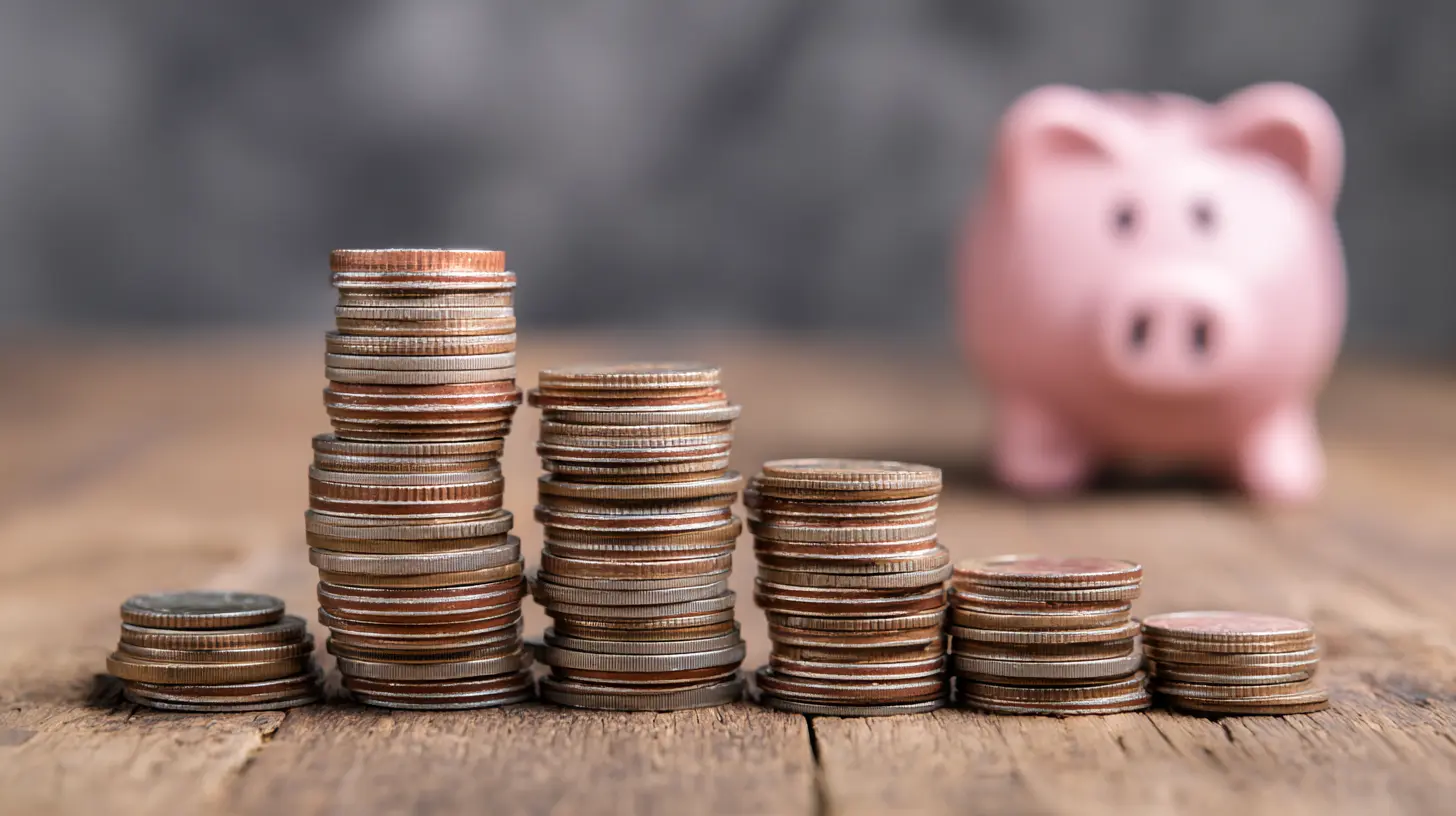
The practical advice is to set up at least five sinking funds. One for transportation, one for home maintenance, one for annual bills, one for gifts, and one for personal development. Each month, put a small amount into each. It does not matter if it is only twenty dollars. The act of funding them consistently is what matters. Over a year, that becomes two hundred and forty dollars per category, which covers a surprising number of expenses.
The Decline of Impulse Buying
Impulse buying is not going to disappear. But it will change shape. The next decade will see a dramatic reduction in unplanned purchases, not because people have more willpower, but because the system will force them to slow down.Online shopping already makes it too easy to buy with one click. The next step is the "cooling off" period. Some retailers are already experimenting with holding purchases for twenty-four hours before processing them. This is not charity. It is a recognition that returns are expensive and that customers who regret purchases are less likely to return.
The individual habit that will matter most is the thirty-day rule. If you want to buy something that is not a necessity, wait thirty days. Write it down. If you still want it after thirty days, buy it. Most things will fall away. The ones that survive the wait are usually worth buying, because they represent a genuine desire, not a passing whim.
This rule works because it separates desire from novelty. The rush of wanting something new fades quickly. The thirty-day rule lets the rush fade and then asks: Do I still want this without the rush? That is a much more honest question.
The New Definition of Frugality
Frugality used to mean clipping coupons and buying the cheapest option. The next decade will redefine it. Frugality will mean buying the right thing once, rather than the wrong thing five times. It will mean valuing durability over price. It will mean repairing, reusing, and repurposing not because you are poor, but because you are smart.This is a generational shift. Older generations often saw frugality as a necessity born of scarcity. The next generation sees it as a choice born of awareness. They are not afraid to spend money. They are afraid to waste it. That is a crucial difference.
The practical expression of this is the "cost per use" calculation. A fifty-dollar pair of shoes that lasts five years and is worn twice a week costs about ten cents per wear. A twenty-dollar pair of shoes that falls apart in six months costs about forty cents per wear. The cheaper shoe is actually more expensive. The next decade will be defined by people who understand this math and apply it to everything from coats to computers to couches.
The mistake is assuming that expensive always means better. That is not true. There is a lot of overpriced junk on the market. The skill is not in paying more. It is in knowing the difference between a high-quality item and a high-markup item. That requires research, patience, and sometimes buying used. The next decade will reward people who treat every significant purchase as a small research project.
The Role of Automation in Personal Finance
Automation is not just for businesses. The next decade will see personal finance become heavily automated, and the people who set it up correctly will have a massive advantage.This goes beyond automatic bill pay. It means automating your savings, your investments, your sinking funds, and even your giving. When money moves automatically, it stops being a decision. Decisions are where mistakes happen. Automation removes the decision and leaves only the execution.
The key is to automate in the right order. First, pay yourself. That means a fixed percentage of your income goes to savings and investments before anything else. Second, fund your sinking funds. Third, automate your fixed bills. Everything that is left is yours to spend freely. This is called the "pay yourself first" method, and it is the single most effective way to build wealth without feeling deprived.
The risk of automation is that you stop paying attention. That is dangerous. Automation should handle the mechanics, but you still need a monthly review. Once a month, spend thirty minutes looking at your accounts. Ask: Is my spending matching my values? Am I saving enough? Are there any subscriptions I forgot about? This monthly check-in turns automation from a blind system into a guided one.
The Impact of Higher Interest Rates
For fifteen years, interest rates were near zero. That created a generation of borrowers who never experienced the cost of money. The next decade will be different. Rates are likely to stay higher than the 2010s, and that changes every spending calculation.A car loan at seven percent is not the same as a car loan at three percent. A mortgage at six percent is not the same as one at three percent. The next decade will punish debt that is not carefully considered. The people who thrive will be those who borrow only for assets that appreciate or generate income, and who avoid borrowing for things that lose value.
This is a hard lesson for a generation that used zero-interest financing for everything from furniture to phones. Zero percent financing is not free. It is just a cost hidden in the price. The next decade will see fewer of these deals, and the ones that remain will have shorter terms and smaller limits.
The practical advice is to run every purchase through a simple question: Would I buy this if I had to pay cash? If the answer is no, you cannot afford it. This is a brutal filter, but it is effective. It forces you to confront the difference between wanting something and being able to pay for it. The next decade will separate those who understand this from those who do not.
The Rise of the Personal Balance Sheet
Most people track their income and expenses. Fewer track their net worth. The next decade will change that. The personal balance sheet, a simple list of assets and liabilities, will become a standard tool for financial health.Why? Because income is not wealth. Someone earning two hundred thousand dollars a year but spending two hundred and ten thousand is getting poorer every month. Someone earning sixty thousand and saving ten thousand is getting richer. The next decade will reward those who focus on net worth, not income.
The practical step is to calculate your net worth quarterly. List everything you own that has value: cash, investments, home equity, car value, collectibles. Then list everything you owe: credit cards, loans, mortgage. Subtract the second from the first. That number is your real financial position. Watch it grow over time. If it is not growing, something is wrong, regardless of how much you earn.
This shift is profound because it changes the conversation. Instead of asking "How much do I make?" you ask "How much do I keep?" The next decade will be defined by people who ask the second question.
The Social Dimension of Spending
Spending is rarely purely personal. It is shaped by the people around you. The next decade will see a rise in "spending peer groups," where friends and family openly discuss budgets, savings rates, and financial goals. This is already happening in online communities, and it is moving offline.The benefit is accountability. When you tell a friend you are saving for a house, you are more likely to actually save. When you share a sinking fund goal, you are less likely to blow it on a weekend trip. The next decade will normalize these conversations, reducing the shame and secrecy that surrounds money.
The risk is comparison. Seeing a peer's success can trigger envy and impulse spending. The antidote is to focus on your own numbers. Your net worth, your savings rate, your progress. Not theirs. The next decade will reward those who can separate inspiration from comparison.
A Practical Framework for the Next Decade
If you take nothing else from this article, take this framework. It is simple, but it covers most of what matters.First, know your numbers. Track your spending for one month. Write down every dollar. You cannot change what you do not see.
Second, automate your savings. Set a percentage of your income to move to savings and investments on payday. Start with ten percent. Increase it by one percent every six months.
Third, use sinking funds for all known future expenses. This eliminates the stress of surprise bills.
Fourth, apply the thirty-day rule to all non-essential purchases.
Fifth, calculate cost per use for anything over fifty dollars.
Sixth, review your finances monthly for thirty minutes.
Seventh, focus on net worth, not income.
None of these are revolutionary. But together, they form a system that works. The next decade will not reward complicated strategies. It will reward consistency, awareness, and the willingness to make small adjustments over a long period.
The people who shape the next decade will not be the ones with the highest salaries. They will be the ones with the clearest priorities. They will spend on what matters, skip what does not, and let the compounding of good habits do the heavy lifting. That is not glamorous. But it is the truth.
all images in this post were generated using AI tools
Category:
Yearly Financial ReviewAuthor:

Julia Phillips
Discussion
rate this article
2 comments
Owyn McNeely
In choices we make, our futures unfold, shaping dreams with each dollar spent, stories told...
September 30, 2026 at 3:54 AM
Julia Phillips
Absolutely! Every choice we make today influences our path tomorrow. It's all about being mindful with our spending.
Viva McAuley
Mindful spending will drive future trends.
September 7, 2026 at 2:34 AM