The Cost of Homeownership You Didn’t See Coming
14 October 2026
Buying a home is sold to us as the ultimate financial rite of passage. The mortgage calculator spits out a number, the realtor smiles, and suddenly you are a "homeowner." What nobody hands you at closing is the second ledger, the one that fills up quietly over the following decade with expenses that never appeared in the listing price or the pre-approval letter.
This is not an argument against buying. It is an argument against buying blind. The gap between what people budget for a house and what a house actually costs is where financial stress lives. Let's walk through the expenses that ambush new owners, why they exist, and how to plan for them without becoming paranoid.
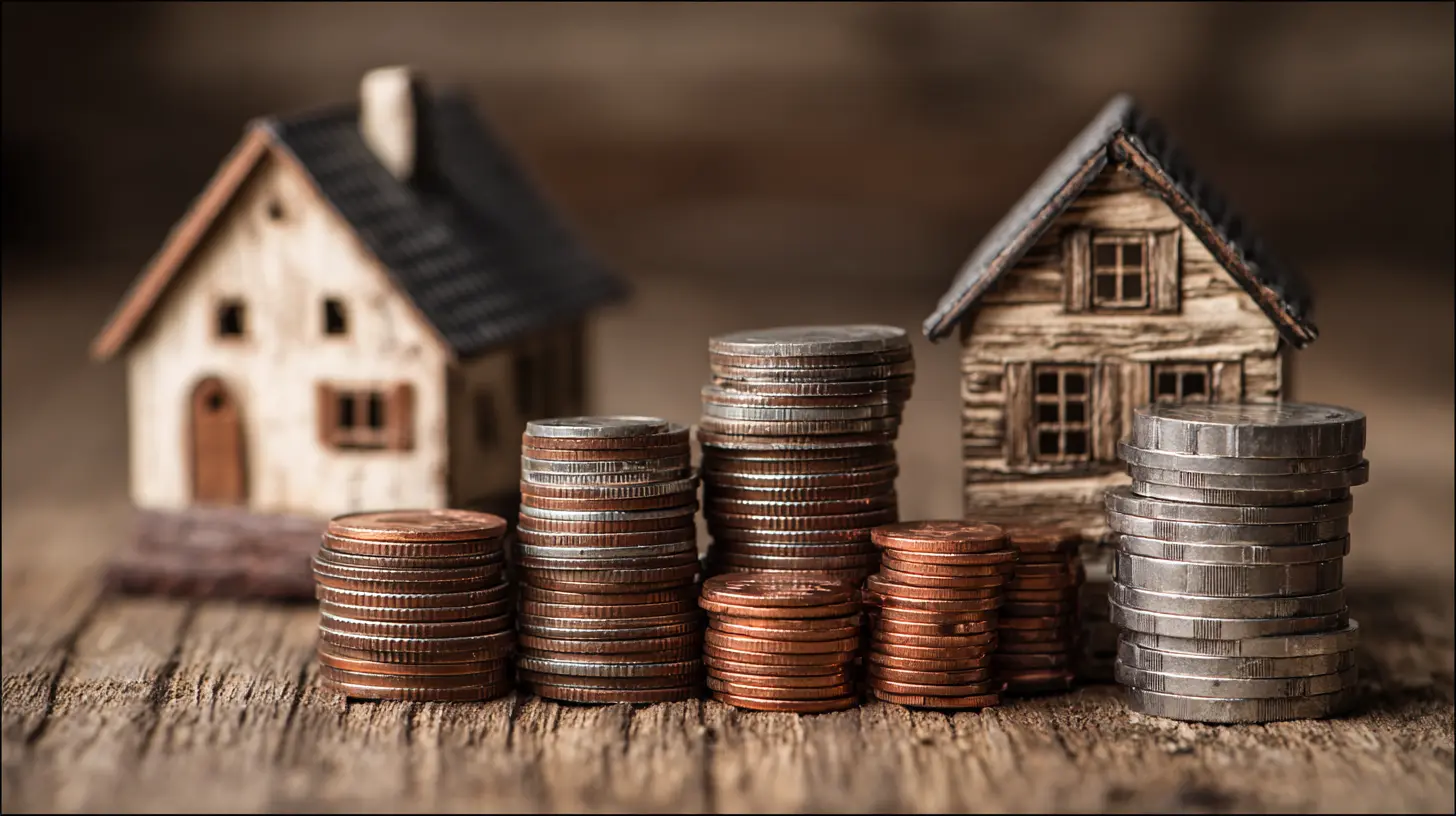
The Mortgage Is the Smallest Lie You'll Be Told
The monthly principal and interest payment is the number everyone fixates on. It is also the most predictable and, in many cases, the least burdensome part of the equation. The trouble starts when buyers treat that figure as the total cost of ownership.Lenders calculate your debt-to-income ratio based on the mortgage payment plus taxes and insurance. They do not care whether your roof is twenty years old or whether the water heater is making a sound like a dying whale. Those are your problems now.
A useful mental model: the mortgage is the subscription fee. Everything else is the usage charge. And usage charges on a house can be brutal.
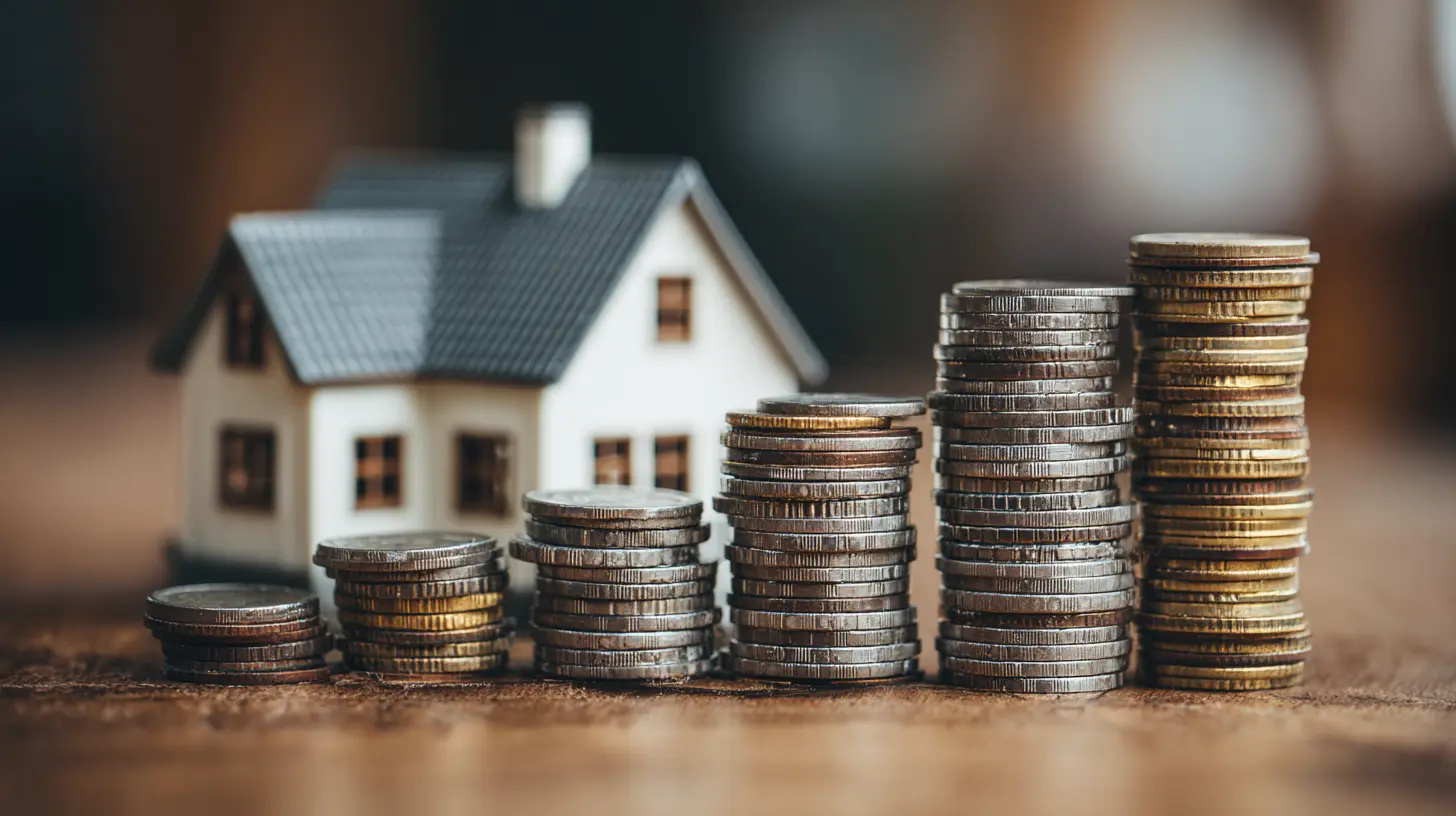
Property Taxes: The Bill That Grows While You Sleep
New buyers often see the current owner's tax bill and assume it will stay roughly the same. It rarely does.Property taxes are typically reassessed after a sale, and the new assessment often reflects the price you just paid, not the price the previous owner paid fifteen years ago. In many jurisdictions, that means your first tax bill can jump by a meaningful percentage overnight.
There is also the matter of escrow. If your lender collects taxes and insurance monthly, your payment can increase when the escrow analysis reveals a shortfall. This is how people end up with a mortgage payment that climbs by a hundred dollars or more in year two without any change to the loan itself.
What to do: Before you buy, look up the tax assessment history, not just the current bill. Ask the county how often reassessments occur and whether there are caps or exemptions. If you are in a state with homestead exemptions, file for them immediately after closing. Missing that deadline can cost you a full year of savings.

Homeowners Insurance Is Not One-Size-Fits-All
Insurance is where geography becomes destiny. A house in a coastal flood zone, a wildfire-prone canyon, or a hail belt carries risks that standard policies may exclude or price aggressively.Two things surprise people most:
First, standard homeowners insurance does not cover floods. It never has. If you live anywhere near water, you likely need a separate flood policy, and those policies have their own deductibles and limits.
Second, insurers in high-risk areas have been pulling back or raising premiums sharply. In some markets, owners have found themselves dropped entirely after a single claim or a regional disaster.
A practical approach: Get quotes before you make an offer, not after. The insurance cost can vary by thousands of dollars a year between two houses a mile apart. If a property has had repeated water damage claims, that history follows the house, not the seller.

Maintenance: The 1% Rule and Why It Fails
The classic advice is to budget 1% of your home's value annually for maintenance. On a $400,000 house, that is $4,000 a year. It sounds reasonable until you realize that maintenance does not arrive in tidy annual installments.It arrives in lump sums. A new roof might cost $12,000 to $20,000. A furnace replacement can run $5,000 to $10,000. A sewer line repair can hit five figures before you have finished your coffee.
The 1% rule is a starting point, not a plan. A better approach is to think in terms of component lifespans. Every major system in your house has an expected service life, and you can estimate when it will fail.
- Roof: 20 to 30 years
- Furnace: 15 to 20 years
- Water heater: 8 to 12 years
- Windows: 20 to 30 years
- Exterior paint: 5 to 10 years
If you buy a house where the roof is 18 years old and the furnace is 14, you are not buying a house. You are buying a countdown timer. Price that into your offer.
The Hidden Cost of Deferred Maintenance
Sellers sometimes mask problems with fresh paint and new light fixtures. A good inspection catches most of it, but inspectors are not magicians. They cannot see inside walls or predict how long a component will last.This is where the concept of deferred maintenance matters. A house that has been "well maintained" on paper may still have a long list of items that were patched rather than replaced. Those patches fail on your watch.
Real-world example: A buyer purchases a 1990s house with an original HVAC system. The inspection notes it is "functioning." Eight months later, in the middle of July, it dies. The replacement costs $8,000. The buyer had budgeted for a $500 repair.
The lesson is not to avoid older homes. It is to assume that anything near the end of its expected lifespan will need replacing soon, and to negotiate accordingly or walk away.
Utilities: The Bills You Cannot Predict From a Listing
Utility costs vary wildly based on insulation, window quality, HVAC efficiency, and local rates. A house that looks identical to its neighbor might cost twice as much to heat.Sellers are not required to disclose utility costs, and many do not know them precisely. You can request historical bills, and some utilities will provide averages for an address. Do this. It is one of the few ways to get real data before you commit.
Also consider the less obvious costs:
- Water and sewer, which can spike if you have irrigation or a pool
- Trash and recycling, sometimes billed separately
- HOA dues, which we will get to next
- Internet and cable, which may be limited to one provider in rural areas
HOA Fees: The Cost That Never Stops
Homeowners association dues are the gift that keeps on taking. They can range from $50 a month to well over $1,000 in high-service buildings.What buyers miss is that HOA fees can increase, sometimes dramatically, and special assessments can be levied for major repairs. If the association has underfunded its reserves, you may be on the hook for a share of a new roof or elevator replacement.
Before buying in an HOA:
- Read the last two years of meeting minutes
- Review the reserve study
- Ask about pending litigation
- Check the delinquency rate among owners
A healthy HOA with strong reserves is a feature. A struggling one is a liability that can follow you for years.
The Renovation Trap
Everyone says they will renovate "someday." Someday arrives faster than expected, and it is expensive.Renovations rarely cost what you think. A kitchen remodel that you budget at $25,000 can easily hit $45,000 once you open a wall and find outdated wiring or water damage. Contractors are busy, materials fluctuate, and permits add time and money.
There is also the psychological trap of comparison. You see a neighbor's new deck and suddenly your plain backyard feels inadequate. This is how lifestyle inflation creeps into homeownership.
A grounded approach: Prioritize repairs over upgrades. A functioning roof matters more than a quartz countertop. If you renovate, do it for function and longevity first, aesthetics second.
Closing Costs and the Money You Forget
Closing costs typically run 2% to 5% of the purchase price. On a $400,000 home, that is $8,000 to $20,000. This includes lender fees, title insurance, appraisal, recording fees, and prepaid taxes and insurance.Many first-time buyers drain their savings for the down payment and forget this line item entirely. Then they move in with no emergency fund and no furniture budget.
Rule of thumb: Keep at least three to six months of expenses in reserve after closing. If that means buying a smaller house, buy the smaller house.
Moving Costs and the First Thirty Days
Moving is expensive. Truck rental, movers, packing supplies, and the pizza you buy for friends who help. Then there are the immediate purchases: a lawnmower, a hose, curtains, a ladder, basic tools.These small items add up to hundreds or thousands of dollars in the first month. None of them appear in the mortgage calculator.
The Emotional Cost of Ownership
There is a cost that does not show up on any spreadsheet: the mental load.When you rent, a broken dishwasher is a phone call. When you own, it is your problem, your money, and your weekend. The sense of responsibility is constant, and for some people, it is heavier than they expected.
This does not mean ownership is bad. It means you should go in with clear eyes about what you are signing up for. The pride of ownership is real. So is the anxiety.
How to Plan Without Becoming Obsessed
You do not need to predict every expense. You need a system that absorbs surprises.A practical framework:
1. Build a dedicated home fund. Separate from your emergency fund. Fund it monthly as if it were a bill.
2. Track component ages. Know when major systems were installed and when they will likely fail.
3. Get an inspection you trust. Not the cheapest one. The most thorough one.
4. Negotiate with data. Use inspection findings and age of systems to justify price reductions or seller credits.
5. Avoid maxing out your approval. Just because a lender will give you $600,000 does not mean you should spend it.
When Renting Is the Smarter Financial Move
There is a persistent myth that renting is throwing money away. This is not always true.If you plan to move within five years, the transaction costs of buying and selling often exceed any equity you build. If your local market has high prices and low rent ratios, renting may be cheaper on a monthly basis even after accounting for equity.
Ownership builds wealth over long horizons. It is not a short-term trade. Treating it like one is how people end up underwater.
The Bottom Line
The cost of homeownership is not a single number. It is a moving target made of taxes, insurance, maintenance, utilities, HOA dues, and the occasional catastrophic surprise.None of this means you should not buy. It means you should buy with a budget that includes the invisible line items. The people who thrive as homeowners are not the ones who found the cheapest house. They are the ones who planned for the expensive parts nobody warned them about.
A house is not just a purchase. It is a long-term relationship with a structure that will demand time, money, and attention. Go in knowing that, and you will be fine.
all images in this post were generated using AI tools
Category:
Renting Vs BuyingAuthor:

Julia Phillips