The Financial Implications of Climate Risk and How to Address Them
13 January 2026
Climate change isn't just a buzzword anymore—it's a full-blown financial disruptor. From devastating natural disasters to shifting regulations, climate risk is shaking up economies, businesses, and investment portfolios worldwide. But what does this mean for your finances? More importantly, how can businesses and investors navigate this shifting landscape? Let’s dive in.

What Exactly Is Climate Risk?
Climate risk refers to the potential financial losses caused by the impact of climate change. This can come in two primary forms:1. Physical Risks – These arise from severe weather events like hurricanes, wildfires, floods, and droughts. The damage to infrastructure, supply chains, and economic productivity can be astronomical.
2. Transition Risks – As governments and industries push toward a low-carbon economy, new regulations, technological shifts, and changing consumer preferences can impact businesses and investments.
If that sounds overwhelming, it’s because it is. The financial world can no longer afford to ignore climate risk. 
The Rising Financial Costs of Climate Change
1. Natural Disasters Are Expensive—Very Expensive
We’ve all seen the devastation caused by hurricanes, wildfires, and floods. But beyond the emotional toll, these disasters wreak havoc on economies. In 2023 alone, natural disasters cost the U.S. more than $165 billion in damages.For businesses, this means unexpected costs, supply chain disruptions, and potential bankruptcy. For investors, it means stock market volatility and unpredictable asset values.
2. Insurance Premiums Are Skyrocketing
As climate risks increase, so do insurance costs. Insurers are either raising premiums or pulling out of high-risk markets entirely. Homeowners in areas prone to wildfires or flooding are struggling to find affordable coverage, making real estate in these locations a risky investment.3. Regulations Are Reshaping Industries
Governments worldwide are implementing stricter regulations to curb carbon emissions. Think carbon taxes, emissions trading schemes, and renewable energy mandates. For businesses that rely heavily on fossil fuels, adapting to these policies can be costly.Industries that fail to transition may face heavy fines, declining investor confidence, and even legal action.
4. Investment Portfolios Are at Risk
Climate change is reshaping the stock market. Fossil fuel companies, once seen as secure investments, are now facing declining valuations as the world pivots to renewable energy.On the flip side, sustainable investments, such as clean energy and electric vehicles, are rapidly gaining value. Investors who fail to consider climate risk might find their portfolios shrinking faster than a melting glacier. 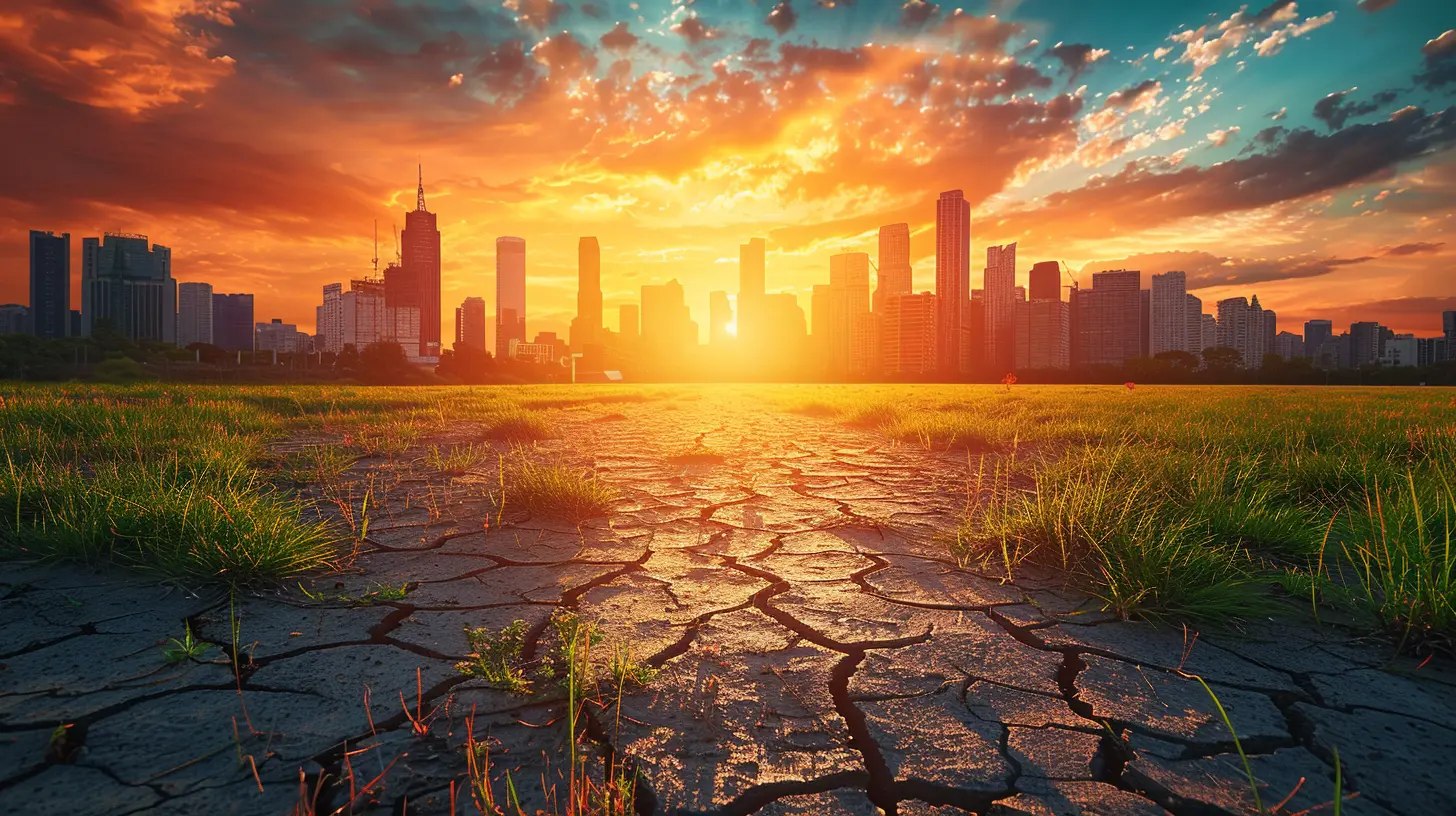
How Businesses and Investors Can Address Climate Risk
Ignoring climate risk is no longer an option. Here’s how businesses and investors can safeguard their finances while adapting to this new reality.1. Businesses Must Integrate Climate Risk Into Their Financial Planning
For companies, climate risk management is no longer a "nice-to-have"—it's a necessity. Here's what businesses need to do:- Assess Risk Exposure – Identify how climate change could impact operations, supply chains, and financial performance.
- Diversify Supply Chains – Depending on a single region for manufacturing or raw materials can be risky, especially in areas prone to extreme weather.
- Invest in Resilient Infrastructure – Businesses need to prepare for future disasters. This means reinforcing facilities, investing in renewable energy, and incorporating sustainable practices.
- Comply with Regulatory Changes – Staying ahead of new laws and policies will help businesses avoid fines and operational disruptions.
2. Investors Should Prioritize Sustainable Investments
Sustainable investing isn’t just about being environmentally conscious—it’s a smarter financial move. Market trends show that green investments are outperforming traditional ones. Here’s how investors can adapt:- Divest from High-Risk Assets – Coal, oil, and gas stocks might look attractive now, but regulatory pressures and declining demand will make them less profitable in the future.
- Invest in Renewable Energy – Solar, wind, and clean tech companies are growing rapidly. Getting in early could mean substantial long-term gains.
- Consider ESG (Environmental, Social, and Governance) Investing – Companies with strong ESG ratings tend to be more resilient to climate-related financial risks.
3. Consumers Can Drive Change with Their Wallets
Consumers have more power than they realize. By supporting businesses that prioritize sustainability, they can pressure industries to adopt greener practices. Simple actions like choosing eco-friendly products, reducing waste, and supporting renewable energy companies can make a difference.
The Role of Governments and Financial Institutions
While businesses and investors play a major role, governments and financial institutions must also step up. Here’s what they can do:- Stronger Climate Policies – Carbon pricing, fuel efficiency standards, and stricter emission controls can push industries toward greener alternatives.
- Incentives for Clean Energy – Governments can encourage businesses to go green by offering tax breaks and subsidies for renewable energy investments.
- Climate Risk Transparency – Financial institutions should require companies to disclose their climate risks, allowing investors to make informed decisions.
The private sector alone can’t fix this—systemic changes are necessary.
The Future of Finance in a Climate-Impacted World
As climate risks intensify, financial markets are undergoing a transformation. The companies and investors that adapt early will be the ones that thrive. Sustainable finance isn’t just an ethical choice—it’s a smart one.So what’s the bottom line? Climate risk is real, and it’s hitting wallets hard. But by making informed financial decisions now, businesses, investors, and governments can turn climate challenges into opportunities. The future of finance isn’t just about profits—it’s about sustainability, resilience, and long-term stability.
all images in this post were generated using AI tools
Category:
Risk ManagementAuthor:

Julia Phillips
Discussion
rate this article
2 comments
Hadley McClellan
Climate risk isn’t just a trend; ignoring it will cost you more than you think!
February 9, 2026 at 12:39 PM
Julia Phillips
Absolutely! Ignoring climate risk can lead to significant financial losses. It's crucial to proactively address these challenges for long-term sustainability and profitability.
Dylan Kearns
This article effectively highlights the urgent need for the financial sector to integrate climate risk into their strategies. Acknowledging these risks not only protects investments but also drives innovation in sustainable solutions. It's crucial for companies to prioritize climate resilience now, or they may face significant financial repercussions in the future.
January 16, 2026 at 1:14 PM
Julia Phillips
Thank you for your insightful comment! I completely agree that integrating climate risk into financial strategies is essential for both protecting investments and fostering innovation in sustainability. Prioritizing climate resilience is indeed vital for long-term success.