Over 1,600 Financial Institutions Utilize Fed's Emergency Lending Program
March 13, 2025 - 09:41
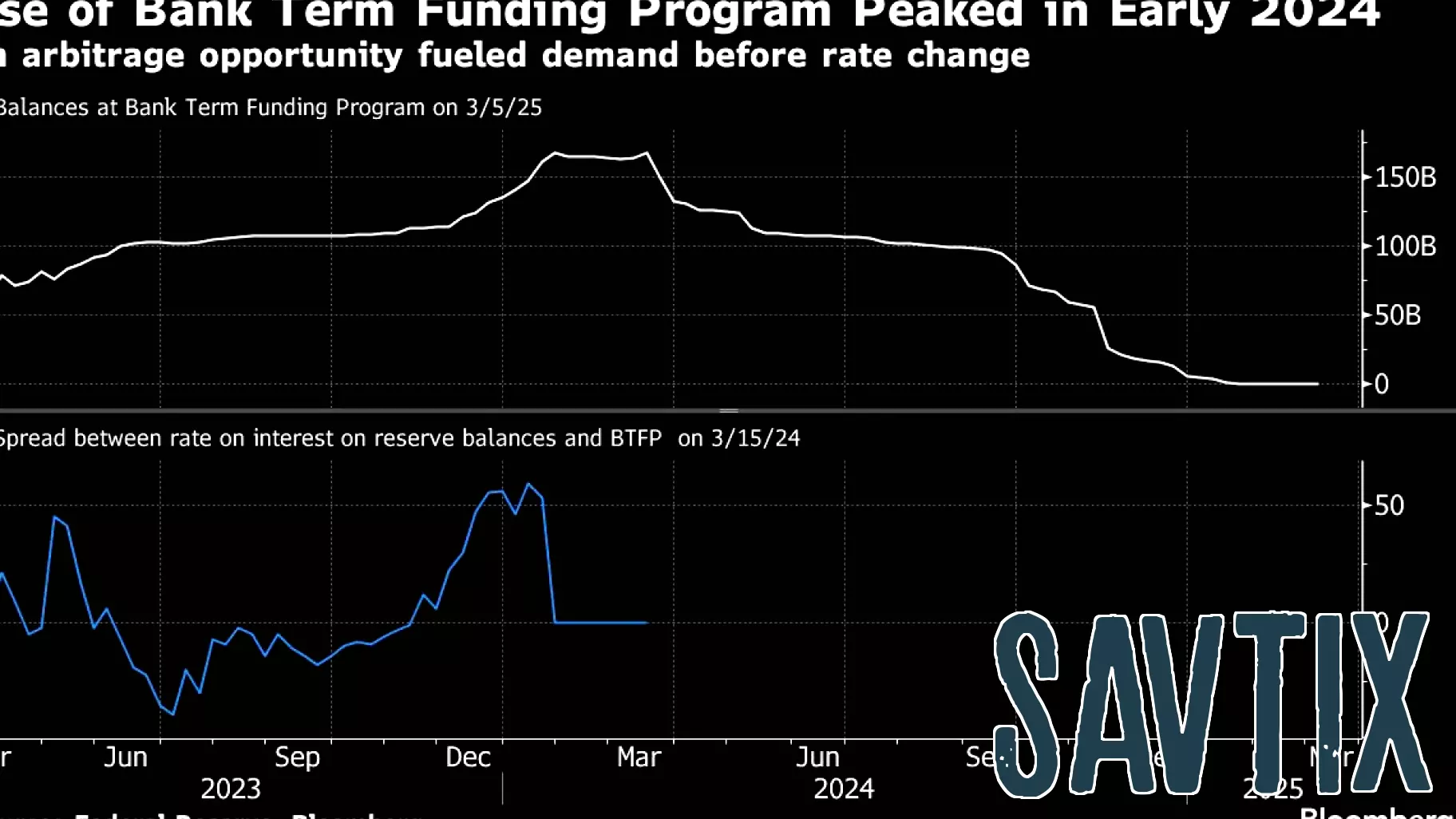
In a significant response to the regional banking crisis that unfolded two years ago, over 1,600 banks and their subsidiaries have accessed the Federal Reserve's emergency lending program. This initiative was designed to provide crucial support to the financial sector during a period marked by instability and uncertainty.
The program was established to ensure liquidity and bolster confidence among financial institutions grappling with the fallout from the banking turmoil. By offering a safety net, the Federal Reserve aimed to stabilize the banking system and prevent further disruptions in the economy.
The widespread participation in this emergency lending program underscores the challenges faced by many banks during this turbulent period. As financial institutions continue to navigate the complexities of the market, the Fed's support remains a vital resource in maintaining stability and fostering recovery within the banking sector. The ongoing reliance on such measures reflects the cautious approach many banks are taking as they work to rebuild and strengthen their operations in the wake of past crises.
MORE NEWS
October 8, 2026 - 04:31
Resources Connection Reports Financial Results for First Quarter Fiscal Year 2027Resources Connection, Inc. released its financial results for the first quarter of fiscal year 2027, which concluded on August 29, 2026. The professional services firm, which trades under the...
October 7, 2026 - 08:54
Jacksonville Committee Backs $30 Million Gas Tax Release for Transit AuthorityA Jacksonville city council committee has approved the release of $30 million in local gas tax funds to rescue the Jacksonville Transportation Authority from a deepening financial crisis. The...

October 6, 2026 - 23:27
Cheyenne Finance Committee backs $132K Municipal Building parking lot redesignCHEYENNE, Wyo. - Pending Cheyenne City Council approval next week, the Cheyenne Municipal Building`s parking lot could receive some infrastructure upgrades. The Cheyenne Finance Committee has...

October 6, 2026 - 03:21
Neighborhood Intelligence Strengthens Financial and Operating Leadership as Company Advances IntegrationNASHVILLE, Tenn., October 05, 2026 -- Neighborhood Intelligence, Inc. announced today that Paul Kosturos, a Managing Director with Alvarez & Marsal, has been appointed Interim Chief Financial...