Rising Trend of Buy Now, Pay Later for Grocery Purchases Amid Economic Concerns
April 26, 2025 - 23:26
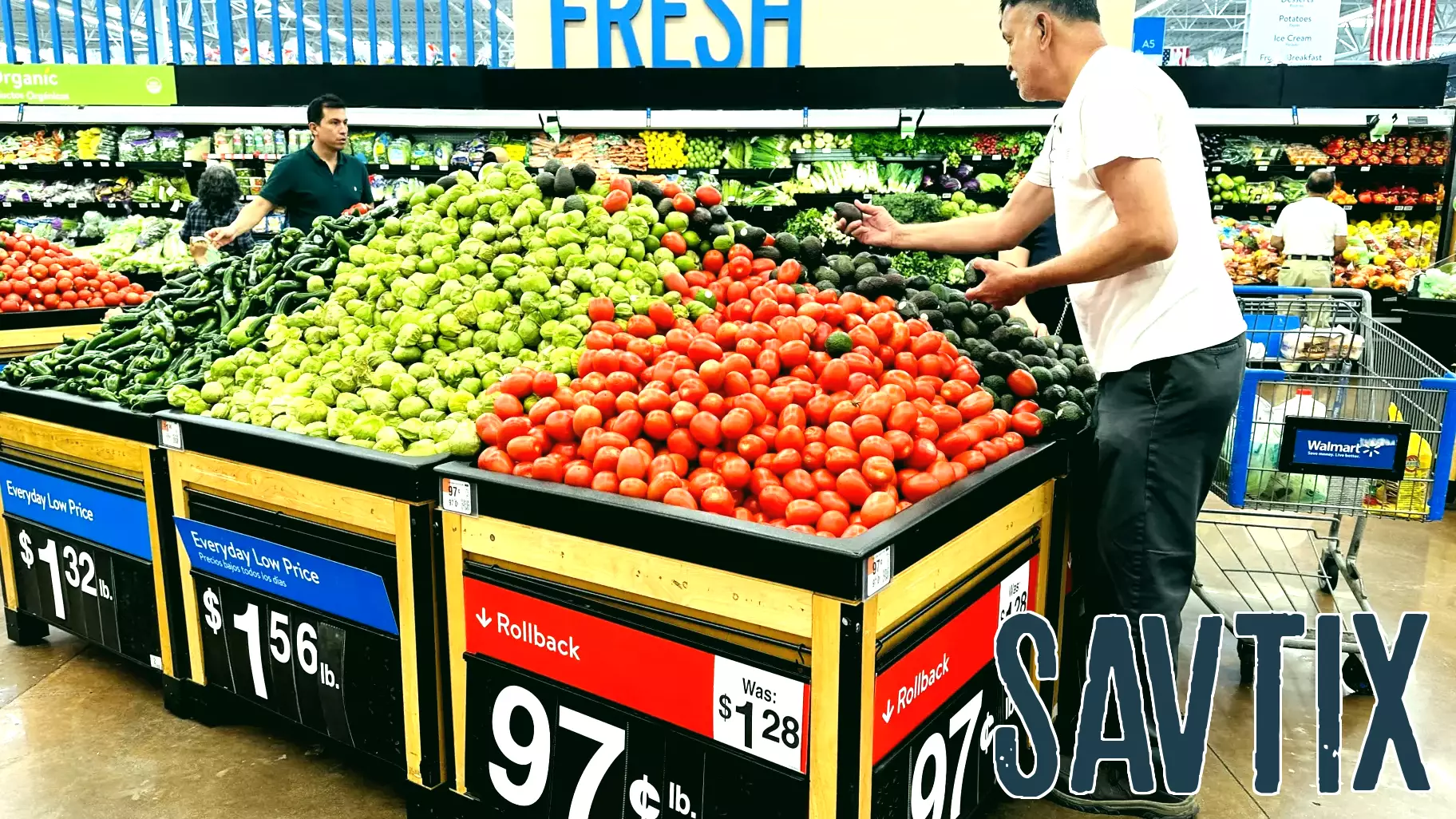
Consumers are increasingly turning to buy now, pay later (BNPL) plans to manage the cost of essential items like groceries, reflecting growing concerns about the economy. A recent survey highlights a significant uptick in the use of these financing options, as individuals seek ways to cope with rising food prices and inflationary pressures.
While BNPL services offer the allure of immediate access to goods without upfront payment, the survey also reveals a troubling trend: more consumers are struggling to meet repayment deadlines. This shift indicates that while the flexibility of BNPL can provide short-term relief, it may lead to financial strain for many users in the long run.
As grocery costs continue to climb, the reliance on BNPL plans may increase, raising questions about the sustainability of this payment method. Financial experts warn that consumers should approach these loans with caution to avoid falling into a cycle of debt.
MORE NEWS

October 8, 2026 - 04:31
Resources Connection Reports Financial Results for First Quarter Fiscal Year 2027Resources Connection, Inc. released its financial results for the first quarter of fiscal year 2027, which concluded on August 29, 2026. The professional services firm, which trades under the...
October 7, 2026 - 08:54
Jacksonville Committee Backs $30 Million Gas Tax Release for Transit AuthorityA Jacksonville city council committee has approved the release of $30 million in local gas tax funds to rescue the Jacksonville Transportation Authority from a deepening financial crisis. The...

October 6, 2026 - 23:27
Cheyenne Finance Committee backs $132K Municipal Building parking lot redesignCHEYENNE, Wyo. - Pending Cheyenne City Council approval next week, the Cheyenne Municipal Building`s parking lot could receive some infrastructure upgrades. The Cheyenne Finance Committee has...

October 6, 2026 - 03:21
Neighborhood Intelligence Strengthens Financial and Operating Leadership as Company Advances IntegrationNASHVILLE, Tenn., October 05, 2026 -- Neighborhood Intelligence, Inc. announced today that Paul Kosturos, a Managing Director with Alvarez & Marsal, has been appointed Interim Chief Financial...