How Financial Apps Will Shape Your Money Habits by 2026
15 April 2026
Let’s be brutally honest for a second. Your current money habits? Probably not winning any awards. That vague sense of dread when you check your bank balance, the mysterious monthly subscriptions bleeding you dry, the “I’ll save next month” mantra that’s been on repeat since 2019. We’ve all been there. But what if I told you that the very device you’re using to scroll through this—likely guilty of draining your finances with online shopping—is also the key to a financial revolution? By 2026, financial apps won’t just be tools; they’ll be your relentless, slightly sassy, always-on money mentors. Buckle up, buttercup. Your financial personality is about to get a mandatory, AI-driven glow-up.
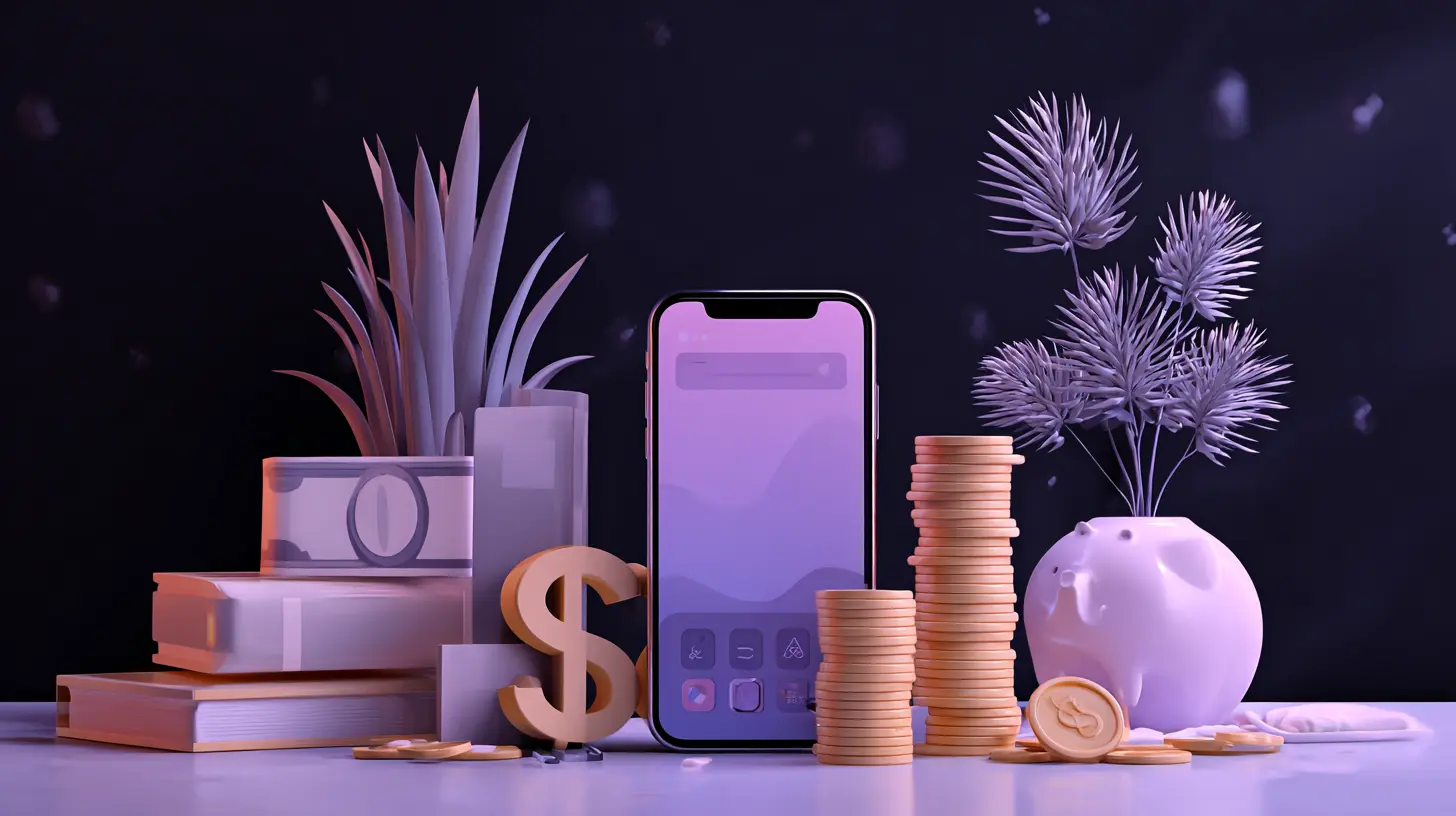
From Passive Trackers to Proactive Prophets: The AI Overhaul
Remember when budgeting apps were basically just fancy digital notebooks? You manually input your $7 latte (with shame), and it drew you a sad little pie chart. How… inspiring. That era is deader than the concept of a balanced checkbook.By 2026, artificial intelligence and machine learning will transform apps from passive observers into proactive fortune tellers for your finances. We’re talking about hyper-personalized engines that don’t just track where your money went, but predict where it should go.
Think of it like this: Your old app was a GPS that only showed you the route after you’d gotten hopelessly lost. The new breed? It’s the Waze of wealth. It sees the traffic jam of impulsive spending you’re about to hit, the toll bridge of a forgotten bill up ahead, and the scenic route to an investment opportunity you didn’t even know existed. It learns your rhythms—that you always overspend on weekends, that your car insurance renews in March, that you get takeout every time it rains. Then, it doesn’t just judge you. It intervenes.
“Hey genius,” it might ping you on a drizzly Tuesday. “You’re 2.3 miles from home, your fridge has ingredients for pasta, and ordering delivery would cost 400% more. Here’s a map home. I’ve already paused your food apps for 3 hours.” It’s not nagging; it’s leveraging behavioral psychology to build better habits. This is the shift from reactive to proactive finance, and it’s going to rewire our financial brains from the inside out.

Hyper-Personalization: Your Money, Your Rules, Your Uncomfortable Truths
Forget one-size-fits-all financial advice. The generic “save 20% of your income” spiel is about as useful as a screen door on a submarine. By 2026, hyper-personalization will be the non-negotiable standard.These apps will synthesize data from your banking, spending, calendar, location, and even (with your permission) your fitness tracker. Stressed? Your app will notice the correlated spike in “comfort spending” and suggest a meditation app instead of a shopping spree. Just got a promotion? It will instantly model how to allocate that raise between debt payoff, lifestyle inflation (a little is okay!), and investments, based on your specific goals.
This creates a closed-loop financial ecosystem. Your apps talk to each other to serve you. Your investment app nudges your budgeting app about dividend payouts. Your budgeting app alerts your savings app to round up spare change. Your bill-pay app negotiates better rates on your utilities. It’s a symphony of efficiency where you are the conductor, and the apps are the entire orchestra, perfectly in sync.
The result? Financial advice that feels less like a textbook and more like a conversation with a friend who knows you terrifyingly well—and isn’t afraid to call you on your BS. “You want a beach house in 10 years, but you just spent $200 on ‘mystery’ online shopping boxes. Let’s recalibrate, shall we?”
Gamification 2.0: Making Money Mastery Irresistibly Addictive
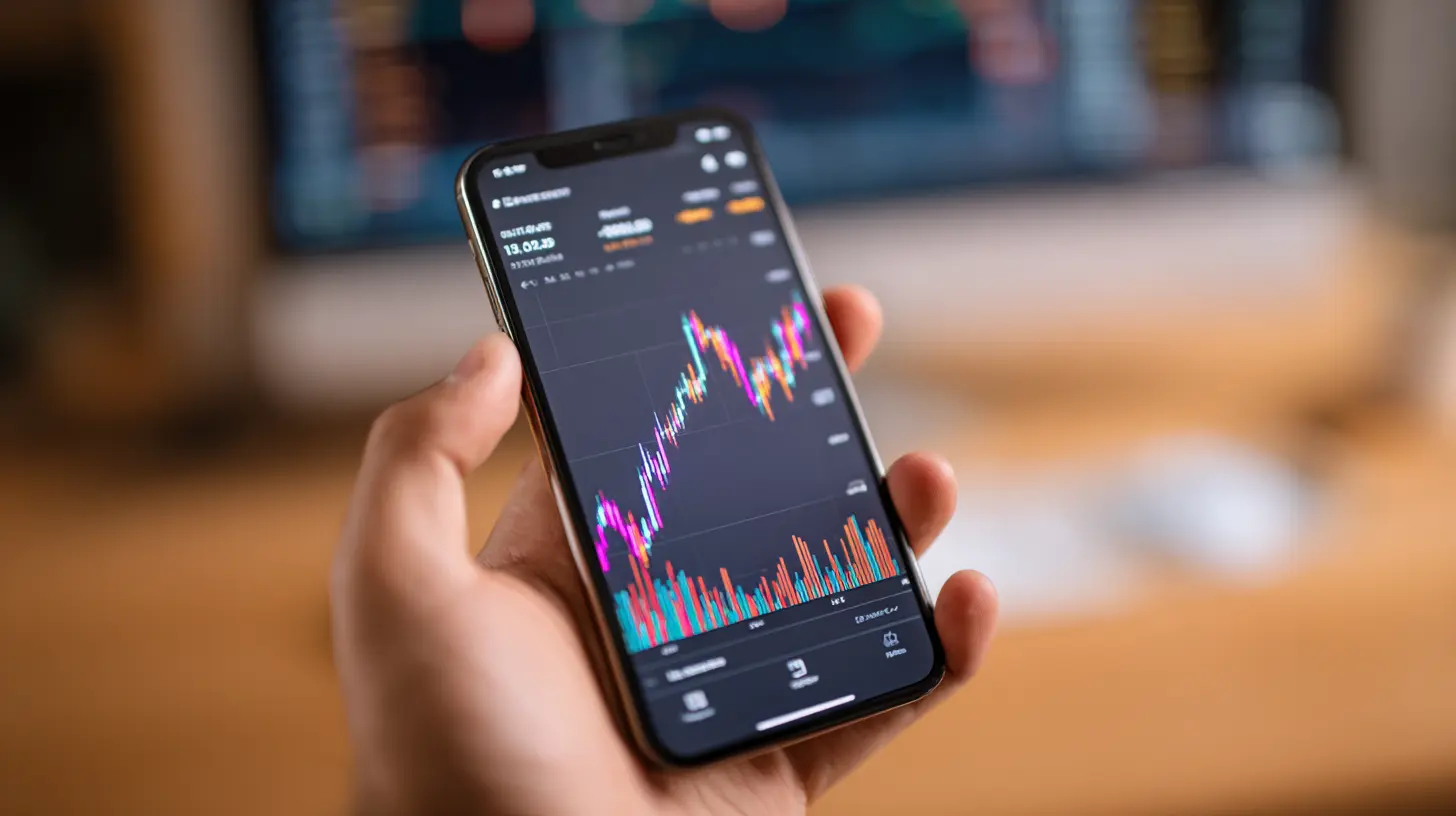
We’re hardwired to love games. Points, levels, badges—they trigger little dopamine hits that make us come back for more. Financial apps have dabbled in this, but by 2026, gamification will evolve from a cute feature to the core psychological engine.We’re moving beyond simple round-ups. Imagine:
* Financial Fitness Duels: Challenge a friend (anonymously) to a “No-Spend Weekend.” The app tracks who saves more, with the “loser” simply donating a small, preset amount to a charity. Peer pressure, for good!
* Progress Journeys & Storylines: Your debt payoff isn’t just a declining number; it’s a map. You’re a hero on a quest, and every $500 paid unlocks a new part of the story, visualizes the monster (debt) shrinking, and reveals the treasure (financial freedom) ahead.
Skill-Based Learning Modules: Instead of boring articles, you play a 90-second game to understand compound interest. You experience* the power of starting early by making in-game investment choices. You learn about tax brackets through an interactive simulation.
The genius here is contextual gamification. The app won’t bug you to play a budgeting game during a work meeting. But when it detects you’re scrolling mindlessly on the couch at 8 PM—prime impulsive spending time—it might push a quick, rewarding 2-minute challenge that reinforces a positive habit instead. It’s fighting fire with a more engaging, rewarding fire.

The Seamless Integration: Finance Becomes Frictionless (And Invisible)
The ultimate goal by 2026? For smart financial management to feel effortless, almost invisible. Frictionless finance will be king.* Automated Everything: Not just bill pay. Automated savings that adjust to your cash flow. Automated investments that rebalance based on life events (thinking of kids? The app starts adjusting your risk profile). Automated charity donations based on your spending. You set the strategy, and the apps execute with the precision of a Swiss watch.
* Voice & Conversational AI: “Hey App, what’s my financial vibe today?” A calm voice replies: “Secure. You’re on track for all goals. You have $120 of ‘fun money’ available this week. Your net worth increased 1.2% since last Monday.” No opening apps, no logging in. Just a conversation.
* The Centralized Financial Command Center: One primary app interface will aggregate everything: banking, investing, crypto, loyalty points, insurance policies, estate documents, even the value of your car or collectibles. Your entire financial life, in one secure, crystal-clear dashboard. Decision-making becomes instantaneous because you have the full picture, always.
This seamlessness removes the pain points—the dread, the confusion, the time consumption—that make us avoid dealing with our money. When it’s easy, we engage. When we engage, we build better habits.
The Dark Side of the Data Diamond: Privacy, Security, and Digital Divide
Hold on. Before we float off into this utopian app-cloud, we need to stomp on the brakes and talk about the elephant in the server room. Data privacy and financial security are the twin pillars holding up this entire future.To be this personalized, these apps need a terrifying amount of data. Your income, your spending, your location, your habits. Who owns this data? How is it used? Could it be used to deny you insurance or a loan? The “creepy line” will be constantly redrawn. By 2026, the winning apps won’t just be the smartest; they’ll be the most transparent and trustworthy. Zero-knowledge proofs (where apps use your data without ever actually seeing it) and decentralized finance (DeFi) principles could become mainstream necessities.
And let’s not ignore the digital divide. This app-shaped future assumes smartphone literacy, reliable internet, and trust in digital systems. A significant portion of the population risks being left behind, facing an even wider wealth gap. The industry’s challenge will be to build inclusive, accessible solutions that don’t just cater to the tech-savvy.
Your 2026 Financial Self: A Preview
So, let’s fast-forward. It’s 2026. What does your financial life look like?You wake up. A gentle, non-intrusive summary pings your watch: “Today’s net worth update: +$42.18. You’ve unlocked the ‘Consistent Saver’ badge for 90 straight days. Your automated ESG investment round-up processed.” You feel a tiny, positive reinforcement.
You walk past a coffee shop. Your phone vibrates subtly. Not a notification to spend, but a reminder: “Your home-brew budget is $0.50 per cup. This purchase is 500% over. Your ‘Trip to Tokyo’ fund is 34% funded.” You keep walking, feeling empowered, not restricted.
A bill arrives. You don’t even see it. Your app has already analyzed it, paid it from the optimal account, and filed the receipt. You get a refund for a subscription you forgot about because the app found and canceled it. You receive a nudge to increase your retirement contribution by 1% because you got a small cost-of-living adjustment at work. It’s all just… handled.
Your relationship with money is no longer based on fear, anxiety, or confusion. It’s based on clarity, control, and confidence. The apps have done the heavy lifting of tracking, analyzing, and executing. Your job is simply to live your life, make informed choices, and set the incredible goals. The machine handles the grind.
The Bottom Line: It’s Still YOU in the Driver’s Seat
Here’s the ultimate truth, the one no app can ever change: You are the asset. These apps, no matter how brilliant, are just tools—the most sophisticated, intuitive, and powerful tools we’ve ever had. They are the scalpel, but you are the surgeon. They are the brush, but you are the artist.By 2026, financial apps will have fundamentally reshaped our money habits by making financial health unavoidable, engaging, and seamlessly integrated into daily life. They will have turned discipline into a game, complexity into simplicity, and anxiety into actionable insight.
But the vision, the dreams, the “why”? That’s all you. The app can map the route to the beach house, but you have to dream of the ocean. So get ready. The future of your finances is about to get a serious, and seriously effective, upgrade. Your 2026 self is already thanking you.
all images in this post were generated using AI tools
Category:
Financial AppsAuthor:

Julia Phillips
Discussion
rate this article
2 comments
Eliza Graham
What new features will revolutionize our spending habits?
June 4, 2026 at 2:27 AM
Julia Phillips
Personalized budgeting tools, real-time spending alerts, and AI-driven investment advice will transform how we manage money. These features will make tracking and saving easier than ever.
Holden Ruiz
Embrace the future: financial apps will redefine your spending and saving habits—no excuses!
April 21, 2026 at 3:16 AM
Julia Phillips
Absolutely! Financial apps are already changing how we manage money, and their impact will only grow. Exciting times ahead!