The Essential Guide to Homeowners Insurance Coverage
20 February 2026
Let’s be real—buying a house is a massive milestone. It's usually one of the biggest financial commitments most people will ever make. So, what happens when the roof gets blown off in a storm or a tree crashes through your window? Yikes. That’s where homeowners insurance swoops in to save your wallet.
Maybe you're a first-time buyer and feeling overwhelmed. Or maybe you’ve had a policy for years but never really read the fine print. Either way, you’re in the right place. This guide will walk you through homeowners insurance like we’re sitting down over coffee—no jargon, no boring lectures.
Let’s dig in.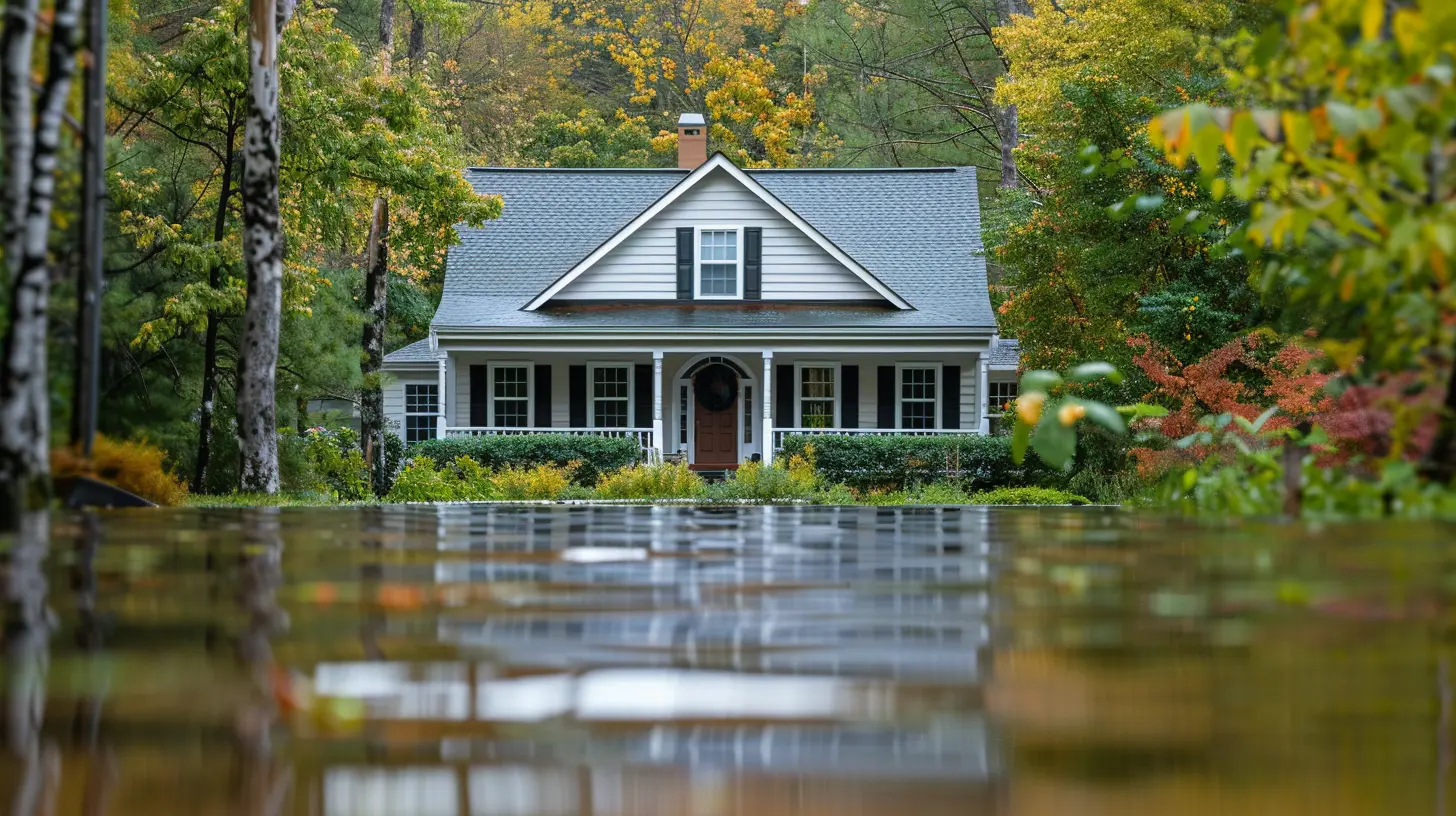
🏡 What Is Homeowners Insurance, Anyway?
Think of homeowners insurance like a safety net for your home. It’s a policy that protects your house (and everything inside it) from things like fire, theft, storms, and even lawsuits in some cases. If something unexpected happens, your insurance steps in to help cover the costs.But it’s not just about the building—it also protects your personal belongings, your liability, and gives you a place to stay if your home becomes unlivable.
Pretty important, right?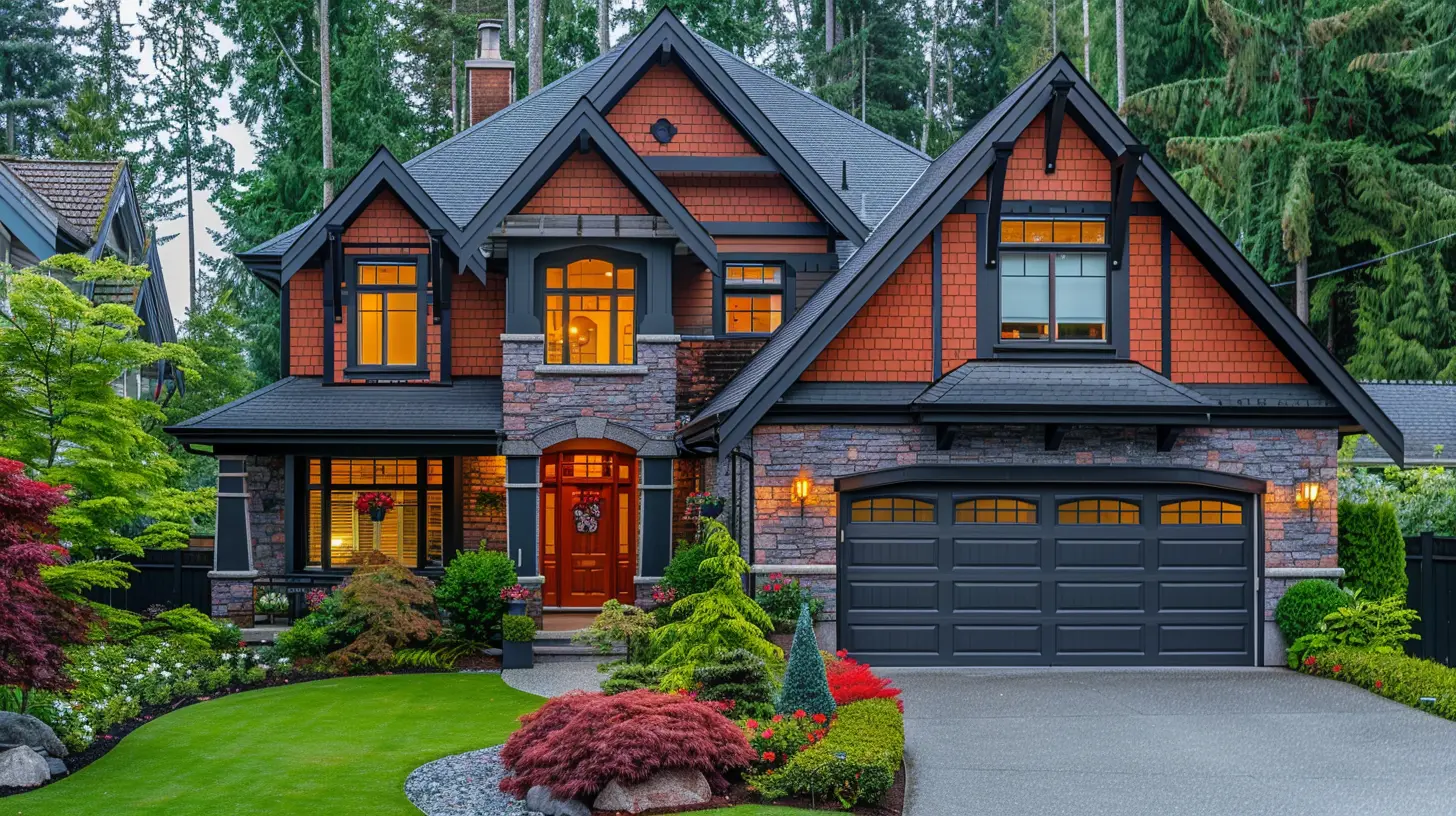
📦 What Does Homeowners Insurance Cover?
Not all policies are created equal, but most standard home insurance policies cover these main areas:1. Dwelling Coverage
This is the bread and butter of your policy. It covers repairs or a rebuild if your home is damaged by a covered event—think fire, hail, windstorms, lightning, or vandalism. Basically, if your house takes a hit, this is the part of your policy that jumps into action.2. Other Structures Coverage
Got a detached garage, shed, fence, or even a gazebo? This part of your policy protects structures not attached to your main house. It usually covers a percentage of your dwelling coverage (often around 10%).3. Personal Property Coverage
If your furniture, electronics, or clothes get damaged or stolen, this piece of the puzzle helps replace them. Fun fact: this coverage often travels with you—so even if your laptop gets stolen from your car, you might be covered. Cool, right?4. Loss of Use / Additional Living Expenses
What if your house becomes temporarily uninhabitable due to damage? This coverage helps pay for a hotel, meals, and other living expenses while your home is being repaired.5. Liability Protection
This one doesn’t get enough credit. If someone gets injured on your property—and sues you—this covers the legal costs, settlement fees, and even medical bills. It can also protect you if your dog bites someone or if you accidentally damage someone else’s property. Huge relief, eh?6. Medical Payments to Others
Even if it’s not your fault, this coverage pays minor medical bills for injuries that happen on your property. No lawsuits needed.
⛔ What Homeowners Insurance Doesn’t Cover
Alright, here's the part most people miss, and it leads to nasty surprises. Homeowners insurance doesn’t cover everything.Common Exclusions:
- Floods (you’ll need separate flood insurance for that)- Earthquakes (yep, you’ll need extra coverage)
- Normal wear and tear
- Neglect and lack of maintenance
- Mold (unless it's caused by a covered event)
- Pest infestations (termites, rats, etc.)
- Water backup from sewers or drains (unless you add an endorsement)
It’s like buying a new phone—you get protection, but you’ve gotta read the fine print to know what’s not included.
🧠 Understanding Policy Types: HO-1 to HO-8
Home insurance policies come with names like HO-3, HO-5, etc., and they’re not just fancy labels. They actually tell you what kind of coverage you’re getting.Here’s a quick breakdown:
- HO-1: Basic—very limited, hardly used anymore.
- HO-2: Broad—covers more perils but still restricted.
- HO-3: Special—most common policy; covers everything *except what’s excluded.
- HO-4: Renters insurance.
- HO-5: Comprehensive—has higher coverage limits and fewer restrictions.
- HO-6: For condo owners.
- HO-7: Mobile home insurance.
- HO-8: For older homes with high replacement costs.
If you’re a standard homeowner, you’re likely rocking an HO-3 or HO-5.
💰 How Much Coverage Do You Actually Need?
This part isn’t one-size-fits-all. It depends on:- The value of your home
- The cost to rebuild it (not the market price—it’s usually lower!)
- The value of your belongings
- Your lifestyle and exposure to liability
👉 Pro Tip: Do a home inventory. Seriously. Take photos, make a spreadsheet. The more detail, the better when you have to prove what you owned.
Most experts recommend setting your dwelling coverage limit at 100% of the replacement cost of your home. Don't skimp!
💸 The Role of Deductibles
Imagine this: A pipe bursts and causes $5,000 in damage. Your deductible is $1,000. That means you pay the first $1,000, and insurance covers the remaining $4,000.The higher your deductible, the lower your premium—and vice versa.
But don’t go crazy and set a $5,000 deductible just because it makes your premium cheaper. You want something manageable in an emergency.
🧾 Optional Add-Ons and Endorsements
Want to beef up your policy a little? You can tweak your coverage with endorsements (also called riders or floaters). Here are some popular ones:- Flood Insurance: A must-have in flood-prone areas.
- Earthquake Coverage: Crucial if you live in quake zones (hello, California).
- Water Backup Coverage: Covers damage from backed-up drains and sump pumps.
- Scheduled Personal Property: Extra protection for high-value items—jewelry, art, collectibles.
- Home Business Endorsement: If you run a side hustle from your home.
Think of these like buying toppings for your pizza. The base policy gets the job done, but sometimes you need a little extra sausage and mushroom.
🏦 Replacement Cost vs. Actual Cash Value
This is a biggie and often a source of frustration during claims.- Replacement Cost: Pays what it costs to replace the item with a new one. No depreciation.
- Actual Cash Value (ACV): Pays the value of the item minus depreciation. So you might only get $250 for a 5-year-old TV that cost $700 when you bought it.
Most people want replacement cost coverage—it’s more expensive but worth it when disaster strikes.
🧐 How Insurance Companies Calculate Your Premium
Your premium isn’t just pulled out of thin air. Insurers look at a bunch of factors, like:- Your home’s age, size, construction materials
- Location (is it in a flood zone or crime-heavy area?)
- Claims history (yours and sometimes your neighbor’s!)
- Credit score
- Fire protection (proximity to hydrants or fire stations)
- Deductible amount
- Coverage limits and add-ons
Want to lower your premium? Install a security system, bundle with auto insurance, and keep your credit score healthy.
🙋♀️ FAQs: Let’s Clear Up Some Myths
“Is Homeowners Insurance Required?”
If you have a mortgage, yes. Lenders require it to protect the property. If you own your home outright, it’s technically optional—but still a very smart idea.“Can I Switch Insurance Providers Anytime?”
Absolutely. You can switch any time, even mid-policy. Just make sure there’s no lapse in coverage.“What If My Claim Gets Denied?”
You can appeal. Gather documentation, talk to your agent, and if needed, get a public adjuster or file a complaint with your state’s insurance department.🧭 How to Pick the Right Insurance Company
Not all insurance providers are created equal. When shopping for a policy, consider:- Financial strength (check A.M. Best or Moody’s ratings)
- Customer service reviews
- Claim responsiveness
- Discounts offered
- Customization options
And please, don’t just go with the cheapest option. You get what you pay for.
🛠 Final Thoughts: Stay Proactive
A homeowners insurance policy isn’t a “set it and forget it” thing. Review it annually—especially if you renovate, buy expensive stuff, or your local risks change.Think of it as spring cleaning for your finances. It might be boring, but it’s essential.
So yeah, homeowners insurance may not be the most glamorous topic. But when hail punches a hole in your roof or a pipe decides to play waterfall, you'll be dancing with joy knowing you're covered.
all images in this post were generated using AI tools
Category:
Insurance BasicsAuthor:

Julia Phillips
Discussion
rate this article
2 comments
Vivian Cannon
This guide effectively highlights the critical aspects of homeowners insurance, emphasizing the importance of tailored coverage. It prompts readers to assess their unique needs, such as natural disasters or liability concerns, ensuring they make informed decisions to protect their most valuable asset: their home.
March 5, 2026 at 3:44 AM
Julia Phillips
Thanks for your feedback! I'm glad you found the guide helpful in emphasizing the importance of tailored coverage.
Sloane McDowney
Homeowners insurance: because who knew a squirrel could cause more damage than a hurricane? Protect your palace from furry little mischief-makers!" 🐿️🏡💰
February 20, 2026 at 5:54 AM
Julia Phillips
Absolutely! Homeowners insurance covers unexpected damages, whether from natural disasters or mischievous critters. It's essential for safeguarding your home against all sorts of surprises!